Frozen Haddock Fillets
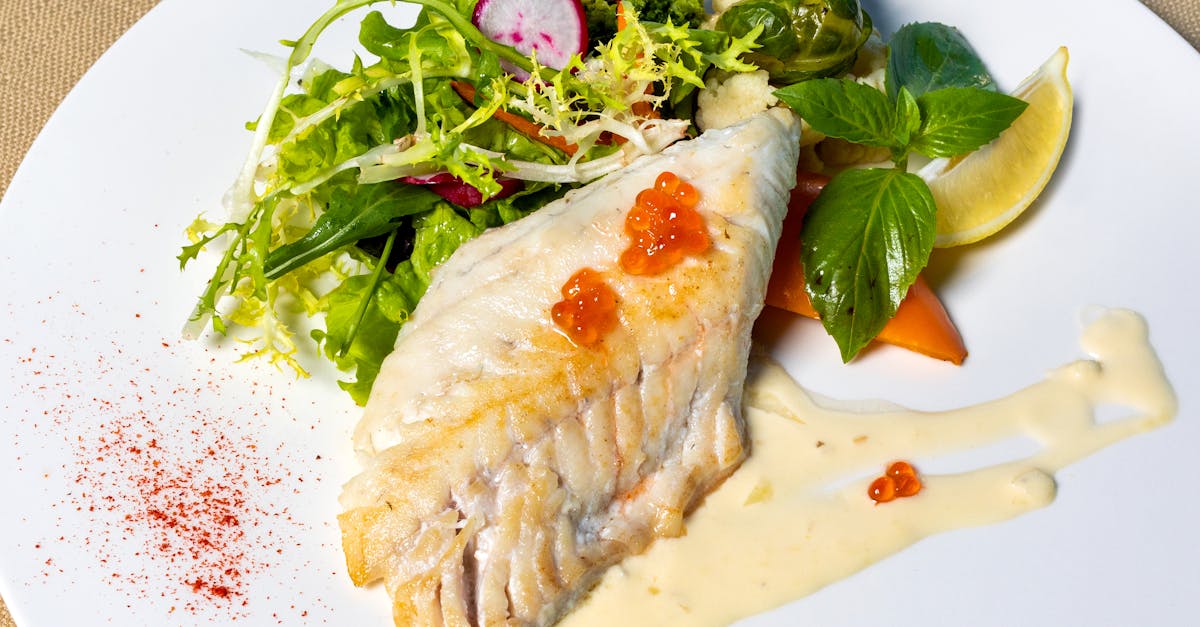
Roundup of certifications for sustainable seafood including frozen haddock fillet
This certification programme focuses on the rigorous standards of good agricultural practices. By implementing these standards, producers adhere to guidelines that ensure safe and sustainable farming methods. The framework encompasses a variety of as...
Read more →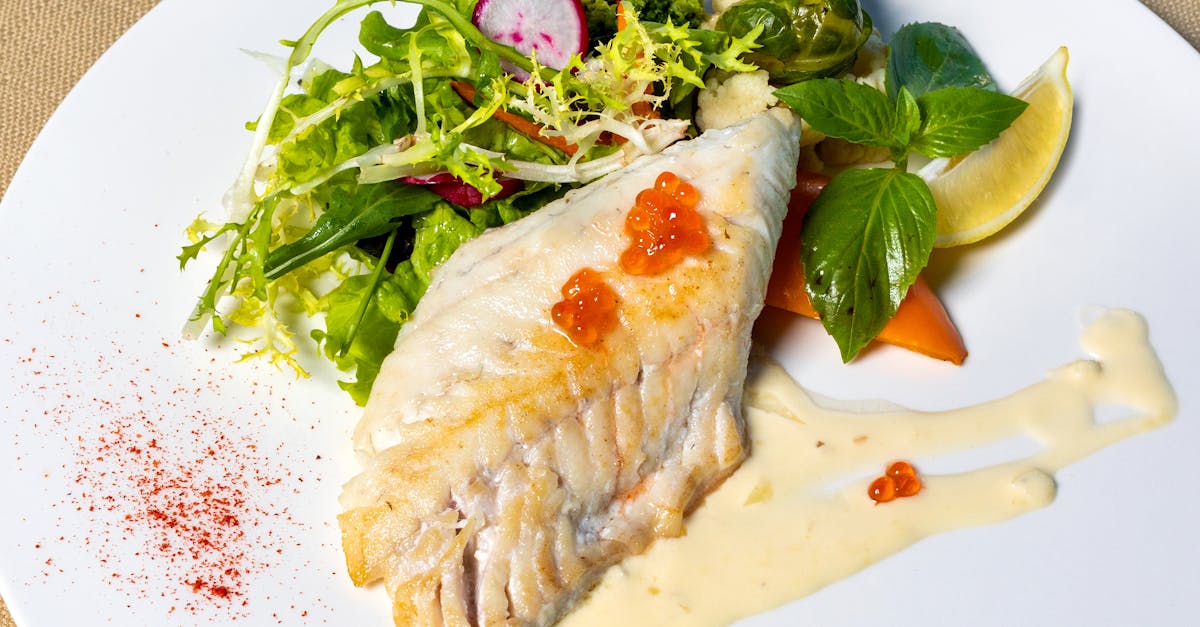
Review of the best brands of frozen haddock fillet
Brand E has established itself as a reliable choice among consumers seeking high-quality frozen haddock. Sourced from the pristine waters of the North Atlantic, the fillets are known for their mild flavour and flaky texture. This brand emphasises sus...
Read more →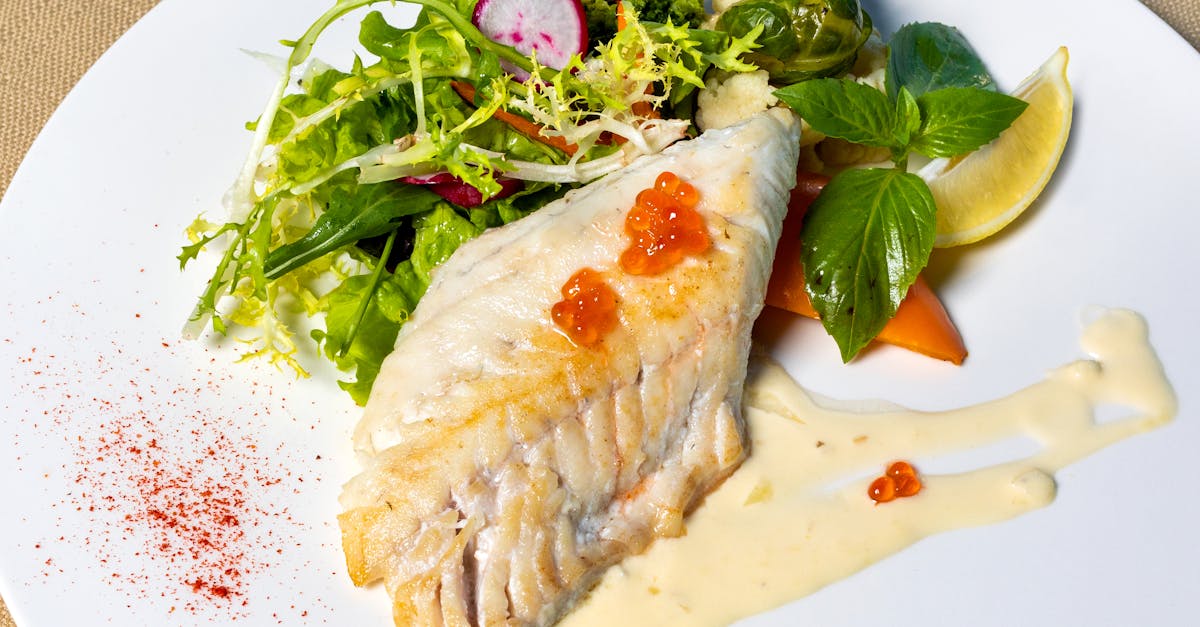
Why traceability in the supply chain is crucial for frozen haddock fillet
Sustainable fishing practices hinge on the ability to trace the origins of seafood products. For frozen haddock fillet, this means ensuring that the fish is sourced from well-managed fisheries. Consumers increasingly demand transparency regarding the...
Read more →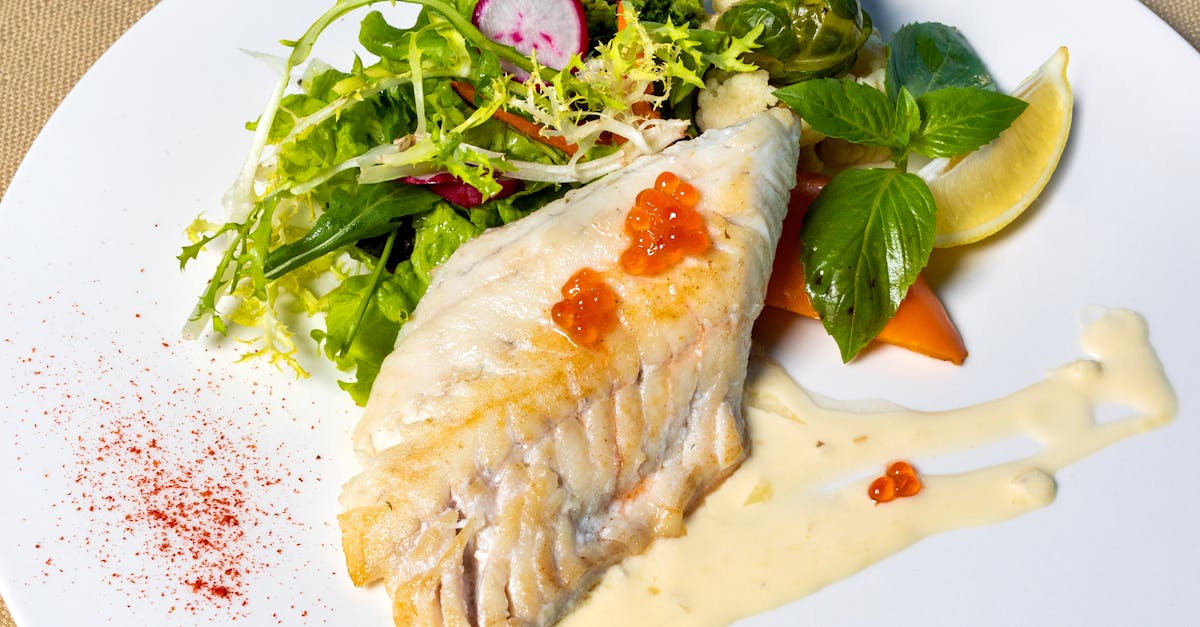
7 tips for ensuring you buy sustainable frozen haddock fillet
Researching a brand’s sustainability commitment involves examining their sourcing practices and environmental impact. Brands that prioritise sustainability often provide transparency about their fishing methods, including whether they adhere to reg...
Read more →
Historical overview of fishing practices for haddock
The introduction of various regulatory measures has significantly shaped haddock fishing practices over the decades. Implementing fishing quotas has been a pivotal step in controlling catch levels, aiming to prevent the overexploitation of this key s...
Read more →
What to consider when assessing the impact of frozen haddock fillet fishing on local ecosystems
Effective management of fisheries hinges on the establishment of robust regulatory frameworks. These guidelines aim to balance ecological health with the economic needs of communities reliant on fishing. Various international agreements, national law...
Read more →
What to know about the seasonal availability of frozen haddock fillet
Haddock is celebrated for its impressive nutritional profile. This fish is an excellent source of lean protein, providing essential amino acids which play a crucial role in muscle repair and overall body function. Low in calories and saturated fats, ...
Read more →
Why responsible fishing practices matter for frozen haddock fillet
Ensuring sustainable fishing practices plays a crucial role in maintaining the health of marine ecosystems. Overfishing can lead to the depletion of key species, destabilising food webs and threatening the survival of other marine life. By adhering t...
Read more →
How to read certifications and labels on frozen haddock fillet
Environmental impact certifications are essential in assessing the sustainability of seafood products. These certifications indicate that the fish has been sourced responsibly and adheres to specific environmental standards, often set by independent ...
Read more →
How to choose sustainably sourced frozen haddock fillet
Choosing seafood from local fisheries plays a crucial role in promoting sustainable practices. Local fisheries often adhere to strict environmental guidelines, ensuring that fish populations remain healthy. Supporting these fisheries can help preserv...
Read more →
Roundup of best practices in haddock fishing
Choosing the right bait is crucial for successful haddock fishing. Fresh bait, such as herring or mackerel, tends to be particularly effective. Anglers often find that using cut pieces of these fish can enhance their chances of attracting haddock. In...
Read more →
Review of seafood certifications for frozen haddock
The Best Aquaculture Practices (BAP) Certification is a comprehensive programme aimed at promoting responsible aquaculture worldwide. This certification encompasses various aspects of farming, including environmental sustainability, animal welfare, a...
Read more →
10 tips for choosing sustainable frozen seafood
Local fisheries play a vital role in promoting sustainable seafood practices. By purchasing from these sources, consumers can help support community economies and ensure that fishing methods remain environmentally responsible. Sustainable fishing pra...
Read more →
What are the main factors affecting haddock migration patterns
Effective fisheries management plays a crucial role in shaping haddock migration patterns. Regulations that govern catch limits, fishing seasons, and areas of operation directly influence the population and distribution of haddock. When fishing press...
Read more →
Why is responsible fishing essential for sustainable seafood
Consumer choices significantly shape the seafood market. Each purchase made impacts demand, which in turn influences fishing practices and sustainability. When consumers opt for sustainably sourced seafood, they send a clear message to suppliers and ...
Read more →
The history of fisheries management in the North Atlantic
Throughout history, various fish stocks in the North Atlantic have faced significant pressures leading to severe overfishing. One prominent example is the Atlantic cod, which has been a staple for fishermen since the 15th century. By the early 1990s,...
Read more →
Why should consumers care about fish sourcing practices
Seafood is a vital part of global diets, yet its journey from ocean to plate is complex and often opaque. Various stakeholders are involved in this supply chain, including fishermen, processors, distributors, and retailers. Each step presents opportu...
Read more →
How to identify certified sustainable haddock
When searching for sustainable haddock, it is essential to consider the retailer’s commitment to responsible sourcing. Look for companies that provide clear information about their fish supply chains. Retailers that stock certified seafood often di...
Read more →
What is the importance of traceability in seafood sourcing
The lack of effective traceability in seafood sourcing opens the door to numerous risks that can severely compromise food safety. Contamination can go unnoticed, leading to public health crises and potential legal implications for businesses. Pathoge...
Read more →
How to ensure traceability in frozen haddock fillet supply chains
Implementing effective data collection methods is crucial for ensuring traceability in frozen haddock fillet supply chains. Various techniques can be utilised, including barcoding and RFID technology. Barcoding allows each product to be scanned at va...
Read more →
Roundup of the best practices in sourcing frozen haddock fillet
Proper storage is crucial for preserving the quality of frozen haddock fillet. The ideal temperature for storing frozen fish is below -18°C. Frequent opening of freezers can cause temperature fluctuations, which may lead to freezer burn or spoilage....
Read more →
Review of top brands for frozen haddock fillet
Seaside Delights has carved a niche for itself in the frozen fish market, renowned for its commitment to quality and sustainability. The brand sources its haddock fillets from certified fisheries, ensuring that their practices contribute positively t...
Read more →
Why certifications matter for frozen haddock fillet
The frozen haddock industry is governed by strict health and safety regulations designed to protect consumers and ensure product quality. These regulations cover various aspects of production, including handling procedures, storage conditions, and tr...
Read more →
Historical overview of fishing practices for haddock
Haddock has played a vital role in the culinary landscape of the UK for centuries, becoming a staple in various traditional dishes. Its prominence can be traced back to the early fishing communities along the coasts, where it was a reliable source of...
Read more →
10 best certifications for sustainable frozen haddock fillet
This certification aims to promote sustainable fishing practices and the conservation of marine habitats. It evaluates fisheries based on their environmental impact, including the method of catch, and non-target species bycatch. Any operation seeking...
Read more →
Why traceability is crucial in the supply chain of frozen haddock
Advancements in technology have significantly enhanced the ability to track the journey of frozen haddock through the supply chain. Utilising a combination of GPS, RFID tags, and blockchain technology allows stakeholders to monitor each step from cat...
Read more →
What to consider when assessing the impact of frozen haddock fishing on local ecosystems
The frozen haddock fishing industry plays a significant role in the economic landscape of coastal communities. It provides employment opportunities ranging from fishing to processing and distribution. Fishermen rely on stable fish stocks to maintain ...
Read more →
What to know about responsible fishing practices for frozen haddock
When considering frozen haddock, consumers have a vital role in promoting sustainability. Opting for products certified by organisations like the Marine Stewardship Council (MSC) ensures that the fish has been sourced from fisheries adhering to respo...
Read more →
How to read certifications and labels for frozen haddock fillet
Environmental sustainability is a crucial factor when selecting frozen haddock fillet. Overfishing and destructive fishing practices threaten marine ecosystems, making it essential to seek products with certifications that indicate sustainable sourci...
Read more →
How to choose sustainably sourced frozen haddock fillet
Frozen haddock is often perceived as less desirable compared to fresh haddock, yet it can offer comparable quality and flavour. The freezing process preserves the fish shortly after it is caught, locking in nutrients and taste. This is particularly i...
Read more →
Roundup of the latest research on haddock migration patterns
Shifts in ocean temperatures and changes in salinity directly influence haddock migration patterns. Research indicates that as the waters warm, haddock tend to move northward towards cooler regions. This migration adjustment is not merely a short-ter...
Read more →
10 tips for sourcing sustainable frozen haddock fillet
When sourcing frozen haddock fillet, it is crucial to consider the seasonal availability of the fish. Haddock is typically more abundant at specific times of the year, often influenced by breeding cycles and fishing regulations. Keeping track of thes...
Read more →
Review of the best certifications for sustainable frozen haddock
The Global Sustainable Seafood Initiative is a pivotal entity in the movement towards sustainable seafood practices. It strives to enhance the integrity of seafood certification through a comprehensive assessment of various certification programmes. ...
Read more →
Why should consumers care about migration patterns of haddock
Haddock exhibit distinct migration patterns that vary significantly across different regions. In the North Atlantic, for instance, populations along the Scottish coast tend to follow specific routes influenced by water temperature and prey availabili...
Read more →
Historical analysis of haddock fishing and its ecological impact
The evolution of fishing technology has transformed the way haddock is harvested, significantly increasing efficiency and yield. The introduction of advanced sonar equipment has allowed fishermen to locate schools of haddock with unprecedented precis...
Read more →
Why is seasonal availability important for frozen haddock fillet
Proper storage of frozen haddock fillet is essential for maintaining its quality and safety. The recommended temperature for frozen fish is -18°C or lower. This prevents the growth of bacteria and preserves the texture and flavour of the fish. When ...
Read more →
What are the best practices for traceability in the supply chain of frozen haddock fillet
Establishing a robust traceability system begins with strong collaborations between manufacturers and suppliers. Effective partnerships facilitate the sharing of important information regarding sourcing, processing, and distribution practices. Regula...
Read more →
What to look for in certifications and labelling for frozen haddock fillet
Frozen haddock fillet must adhere to stringent food safety regulations to ensure that it is safe for consumption. These regulations typically cover handling, processing, and storage practices that prevent contamination and preserve the fish's quality...
Read more →
How to evaluate the impact of frozen haddock fishing on local ecosystems
Fishing activities can significantly alter marine habitats, leading to loss of biodiversity. The process of trawling disturbs the seafloor, uprooting not only target species but also essential benthic organisms. The physical destruction of habitats i...
Read more →
How to ensure responsible fishing practices for frozen haddock fillet
Healthy ocean ecosystems are vital for maintaining balance in marine environments. Responsible fishing practices contribute to the resilience of these ecosystems by ensuring that fish populations remain stable and not overfished. Sustainable methods ...
Read more →
Roundup of best practices for sustainable fishing
Advancements in technology play a crucial role in promoting sustainable fishing practices. Innovations such as remote sensing and ecological modelling allow fishery managers to monitor fish populations more accurately, ensuring that harvests remain w...
Read more →
Review of frozen haddock fillet brands in the UK
Frozen haddock fillets offer versatility in cooking, making them a popular choice for many home chefs. Baking is a straightforward method that brings out the delicate flavours of the fish. Preheat the oven to 190°C, season the fillets with herbs and...
Read more →
What to look for in frozen haddock fillet labels
Frozen haddock fillets are a nutritious and versatile choice for many meals. They are low in calories while providing an excellent source of lean protein. This fish is also rich in essential vitamins and minerals, including B vitamins that are crucia...
Read more →
10 tips for sourcing sustainable seafood
The depletion of fish populations significantly impacts marine ecosystems and global fishing communities. Awareness of which species are overfished is crucial for making responsible seafood choices. Institutions and organisations monitor fish stocks,...
Read more →
Why is traceability important in frozen fish sourcing
Efficient supply chain management relies on accurate tracking of products from their origin to the point of sale. Traceability in frozen fish sourcing plays a crucial role in providing a transparent view of the journey fish undergo. By enabling compa...
Read more →
The history of responsible fishing practices in the UK
Research has played a pivotal role in shaping responsible fishing practices in the UK. Marine biologists have conducted extensive studies that examine fish populations, their habitats, and the ecosystems they inhabit. This scientific inquiry has led ...
Read more →
Why should we care about the impact of fishing on local ecosystems
Many communities around the world depend heavily on fishing for their livelihoods. Coastal populations often rely on local fisheries not only for economic sustenance but also for their daily meals. Traditional fishing practices have sustained these c...
Read more →
What are responsible fishing practices for haddock
Advancements in technology have made a significant impact on fishing practices, particularly in enhancing sustainability. Innovations such as electronic monitoring systems and GPS tracking have enabled fishers to gather valuable data about fish popul...
Read more →
How to understand fishing certifications for frozen haddock
Fishing certifications play a crucial role in shaping sustainable practices within fisheries. They establish guidelines that encourage responsible fishing methods, minimising environmental impact while ensuring the health of marine ecosystems. Compli...
Read more →
How to choose sustainably sourced frozen haddock fillet
When examining frozen haddock fillets, the first aspects to consider are appearance and smell. High-quality haddock should have a slight sheen, indicating its freshness. The flesh should be white or light pink, with no signs of browning or dark spots...
Read more →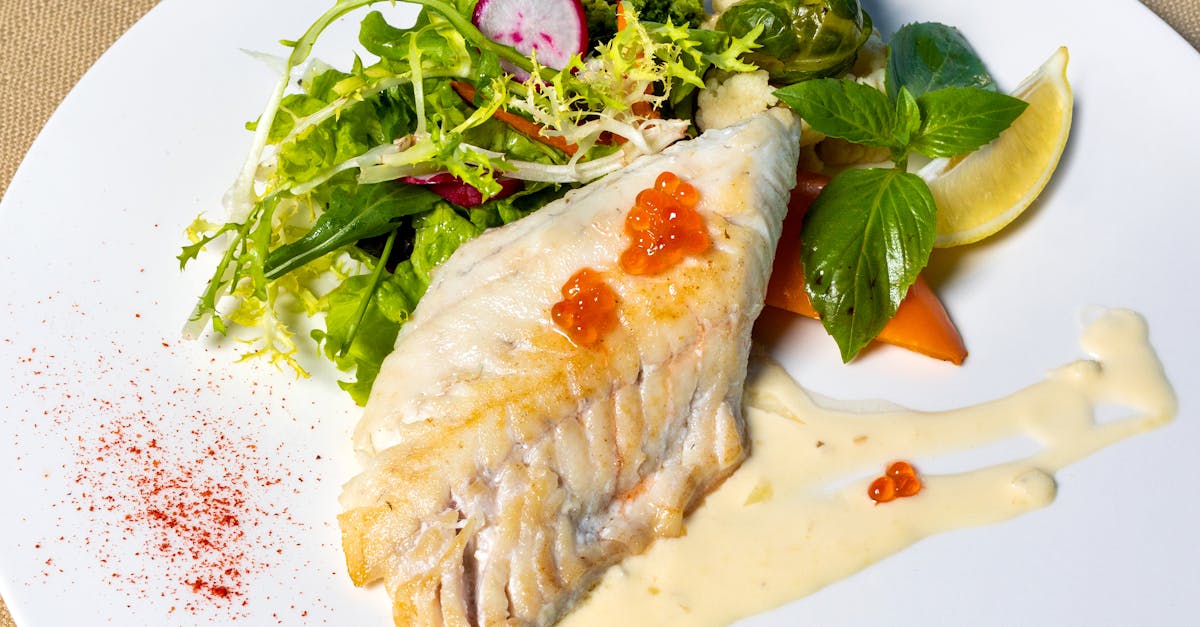
Roundup of the top 5 fish for nutritional value
Herring stands out as a nutritional powerhouse, packed with essential omega-3 fatty acids, protein, and vitamins. This oily fish provides a rich source of vitamin D and B12, which play crucial roles in maintaining healthy bones and supporting nerve f...
Read more →
Review of the best brands of frozen haddock fillet
Seaside Catch offers a variety of frozen haddock fillets that are renowned for their fresh taste and high quality. The brand prides itself on sustainable sourcing, ensuring that their products come from responsible fisheries. This commitment to susta...
Read more →
10 delicious recipes using frozen haddock fillet
Cooking frozen haddock in a vibrant tomato and olive sauce brings out the fish's delicate flavours. Start by sautéing garlic and onions in a splash of olive oil until softened. Adding diced tomatoes, black olives, and a pinch of oregano will create ...
Read more →
Historical significance of haddock in British cuisine
The importance of haddock in British maritime history can be traced back to its role as a reliable food source for sailors. Rich in protein and easily preserved through smoking or salting, haddock provided essential nutrition during long voyages. Fis...
Read more →
Why should you include fish in your diet
Incorporating fish into your diet can aid in weight management due to its low calorie and high protein content. This nutritional profile allows individuals to feel satiated while consuming fewer calories. Fish, particularly lean varieties, can serve ...
Read more →
What are the health benefits of frozen haddock fillet
Consuming frozen haddock fillet can be a strategic choice for those looking to manage their weight effectively. This fish is low in calories yet high in protein, which plays a crucial role in promoting satiety. A high-protein diet can help control hu...
Read more →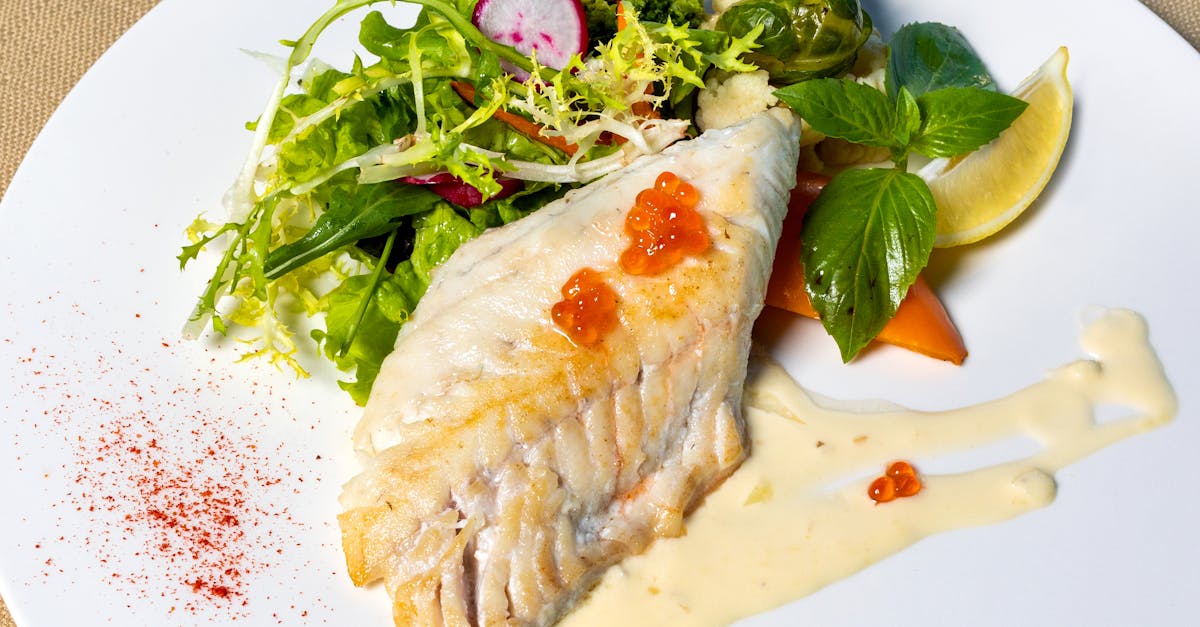
What is the macronutrient profile of frozen haddock fillet
Frozen haddock fillet is a valuable source of essential vitamins and minerals. It contains notable amounts of B vitamins, especially B6 and B12, which play crucial roles in energy metabolism and neurological function. Additionally, this fish provides...
Read more →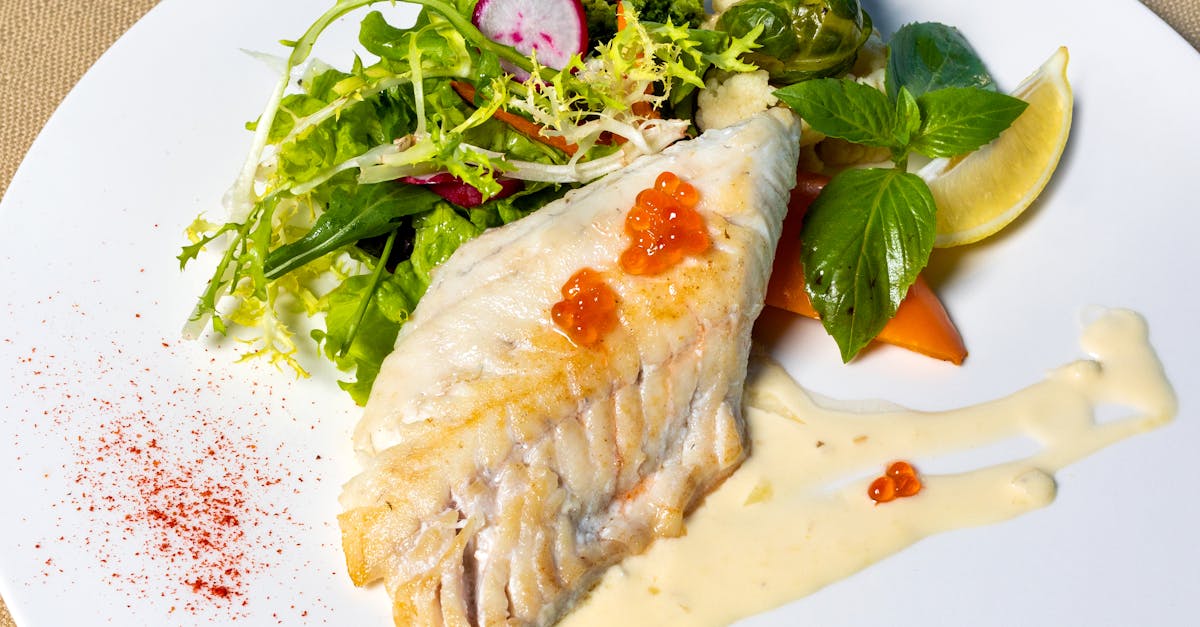
Why is frozen haddock fillet a healthy choice
Frozen haddock fillet can be seamlessly integrated into a variety of culinary traditions. Its mild flavour and flaky texture make it an ideal ingredient for numerous dishes, from traditional fish and chips to elegant poached preparations. Whether bak...
Read more →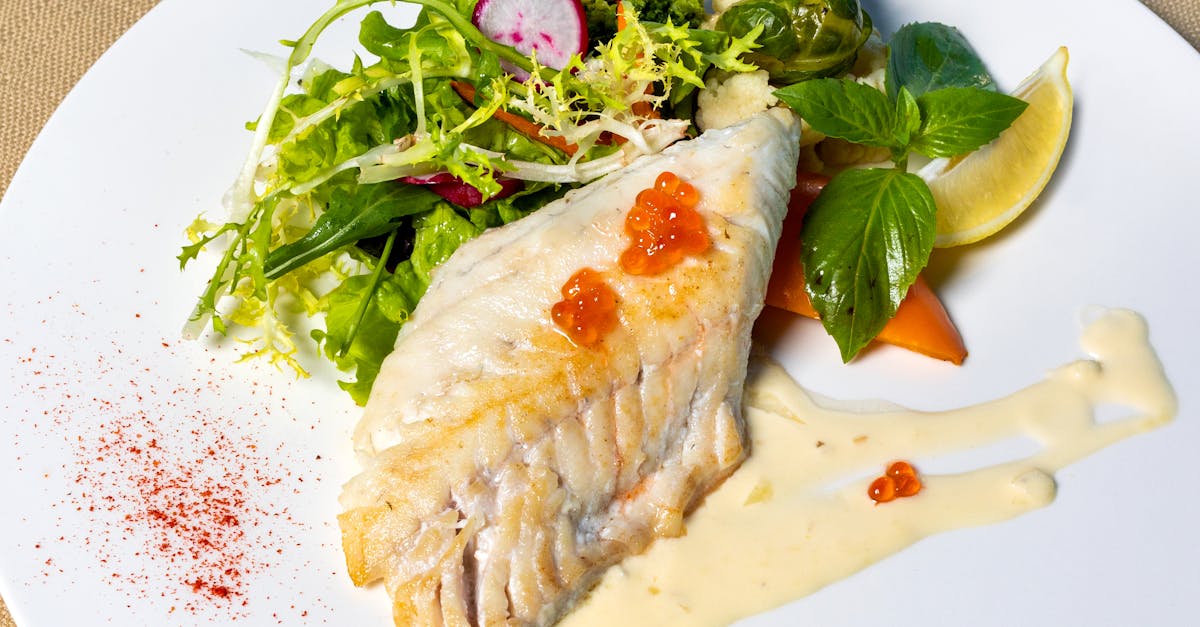
How to prepare frozen haddock fillet for cooking
When cooking frozen haddock fillet, timing plays a crucial role in achieving the best texture and flavour. Baking is one of the most popular methods, and it typically requires a temperature of around 200 degrees Celsius. Generally, a frozen fillet wi...
Read more →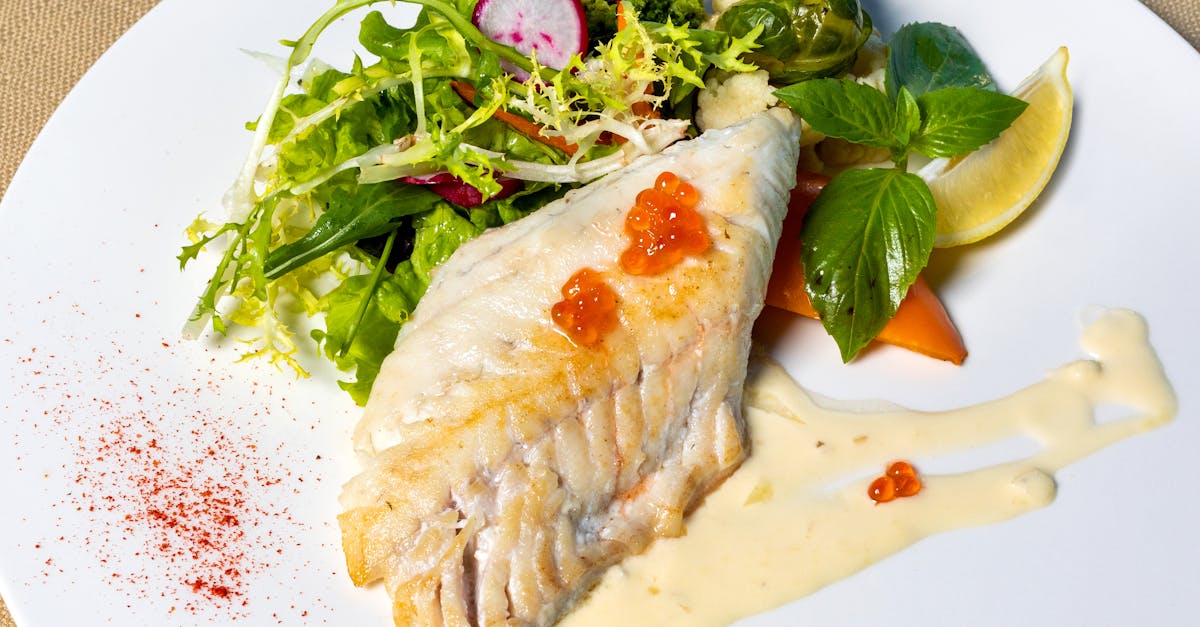
How to identify quality frozen haddock fillet
Date codes play an essential role in maintaining the quality of frozen seafood, including haddock fillet. They provide crucial information regarding the freshness and safety of the product. Manufacturers typically include 'Best Before' and 'Use By' d...
Read more →
Roundup of the Best Frozen Fish Options
When comparing frozen fish to fresh fish, several factors come into play. Frozen fish is often caught and flash-frozen at sea, preserving its freshness and nutritional value better than some fresh fish that may spend long periods in transit. This met...
Read more →
Review of Popular Brands of Frozen Haddock Fillet
When preparing frozen haddock fillets from this brand, it's essential to consider the most effective cooking methods to enhance the fish's natural flavours. Baking in the oven allows for a crisp texture while retaining moisture. A simple seasoning of...
Read more →
Historical Overview of Haddock as a Culinary Ingredient
Haddock is a versatile fish that lends itself well to various cooking methods, catering to different tastes and preferences. Grilling has gained popularity due to its ability to impart a smoky flavour while preserving the moistness of the fish. Furth...
Read more →
10 Benefits of Eating Frozen Haddock Fillet
Frozen haddock fillet offers a level of quality that is often difficult to find in fresh fish. The freezing process locks in the flavours and nutrients, ensuring that each portion maintains its taste and texture over time. This means consumers can en...
Read more →
Why Choose Frozen Haddock Over Other Fish
With its mild flavour, haddock is often sought after by those who prefer a less intense taste in their seafood. This fish is characterised by a firm, white flesh that flakes beautifully when cooked, making it an excellent choice for various culinary ...
Read more →
Why is Frozen Haddock Fillet a Healthy Choice
Sustainable sourcing practices have become increasingly vital in the seafood industry. Responsible fisheries prioritise eco-friendly methods that protect aquatic ecosystems and maintain fish populations at healthy levels. By adhering to guidelines se...
Read more →
What Nutrients are Found in Frozen Haddock Fillet
Frozen haddock fillets are a rich source of essential micronutrients. They contain significant amounts of vitamins and minerals that contribute to overall health. Notable among these are B vitamins such as B6 and B12, which play vital roles in energy...
Read more →
What are the Health Benefits of Frozen Haddock Fillet
Frozen haddock fillet is a valuable source of essential nutrients that contribute to optimal immune system performance. Rich in vitamins and minerals, including vitamin D and zinc, it supports the body's natural defence mechanisms. Regular consumptio...
Read more →
How to Cook Frozen Haddock Fillet Perfectly
Cooking frozen haddock fillets on the stovetop is a straightforward method that yields delicious results. Start by preparing the fillet; it's best to thaw it first, allowing for a more even cooking process. Pat the fish dry with a kitchen towel to re...
Read more →
Roundup of Nutritional Benefits of Popular Frozen Fish
Fresh fish is often lauded for its superior taste and texture, frequently considered the gold standard in seafood consumption. However, the quality of frozen fish has improved significantly over the years, and modern freezing techniques ensure that m...
Read more →
How to Incorporate Frozen Haddock Fillet into Your Diet
Frozen haddock fillet pairs wonderfully with a variety of vegetables, enhancing both the flavour and nutritional profile of a meal. For a simple yet delicious dish, consider baking the fish with seasonal vegetables such as asparagus, cherry tomatoes,...
Read more →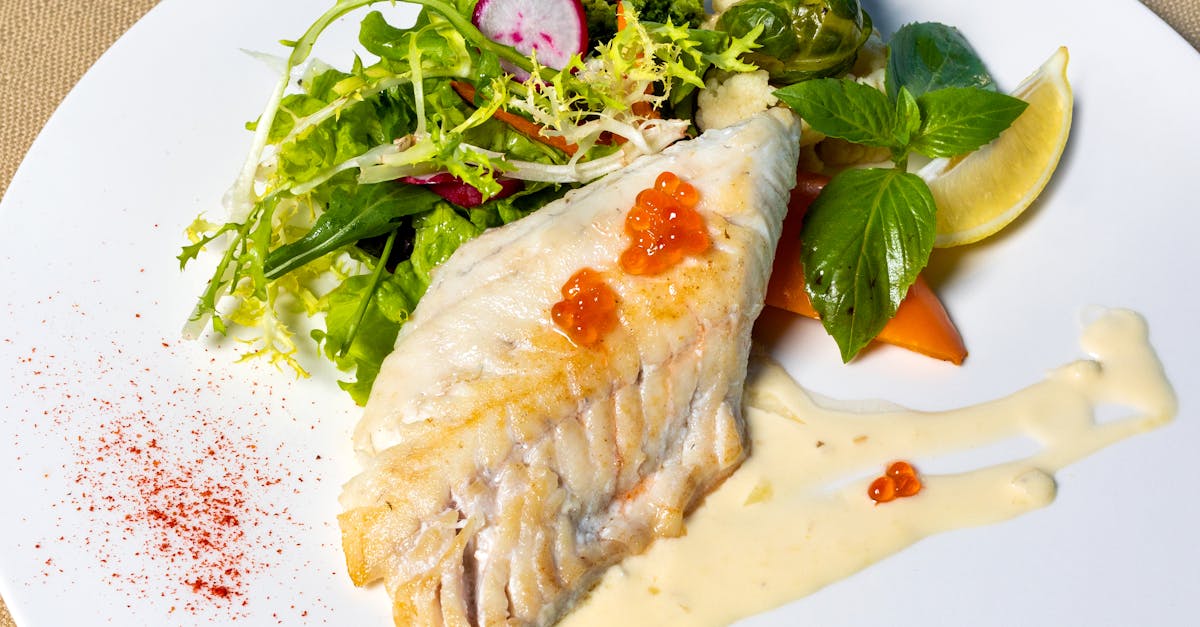
Review of the Best Frozen Haddock Fillets Available
The sourcing of haddock fillets plays a significant role in ensuring sustainable practices within the fishing industry. Many brands now prioritise sourcing from well-managed fisheries that adhere to strict environmental standards. Certified organisat...
Read more →
10 Health Benefits of Eating Frozen Haddock Fillet
Frozen haddock fillet is rich in omega-3 fatty acids, essential nutrients that play a significant role in maintaining and enhancing brain health. These fatty acids, particularly DHA and EPA, contribute to optimal cognitive functioning and are linked ...
Read more →
The History of Frozen Haddock Fillet in British Cuisine
The 1980s and 1990s marked a significant era for seafood in the UK, characterised by an increased consumer interest in diverse culinary experiences. Supermarkets began to stock a wider variety of frozen fish products, which included haddock fillet. T...
Read more →
Why You Should Include Frozen Haddock Fillet in Your Diet
Frozen haddock fillets offer a remarkable level of convenience for those with busy lifestyles. They come pre-portioned and can be stored for longer periods without losing quality. This eliminates the need for frequent trips to the fish market. Simply...
Read more →
Why is Frozen Haddock Fillet a Healthy Choice
Sourcing haddock sustainably relies on responsible fishing practices that consider the long-term health of fish stocks and marine ecosystems. Many fisheries now employ measures to minimise bycatch and avoid overfishing, which is vital in maintaining ...
Read more →
What to Know About the Caloric Content of Frozen Haddock Fillet
Haddock is a versatile fish that lends itself to a variety of dishes. One popular recipe is baked haddock, where fillets are seasoned and topped with breadcrumbs before being cooked in the oven. This method enhances the fish's natural flavour while p...
Read more →
How to Choose the Best Frozen Haddock Fillet
When preparing frozen haddock for cooking, it's essential to start with proper thawing. This can be done by placing the sealed fillets in the refrigerator for several hours or overnight. For quicker results, submerge the unopened fish in cold water, ...
Read more →
How to Cook Frozen Haddock Fillet Perfectly
Haddock fillet offers a versatile base that complements a variety of flavour profiles. For a classic approach, consider serving it alongside a lemon butter sauce, which enhances the delicate taste of the fish. A sprinkle of fresh herbs such as dill o...
Read more →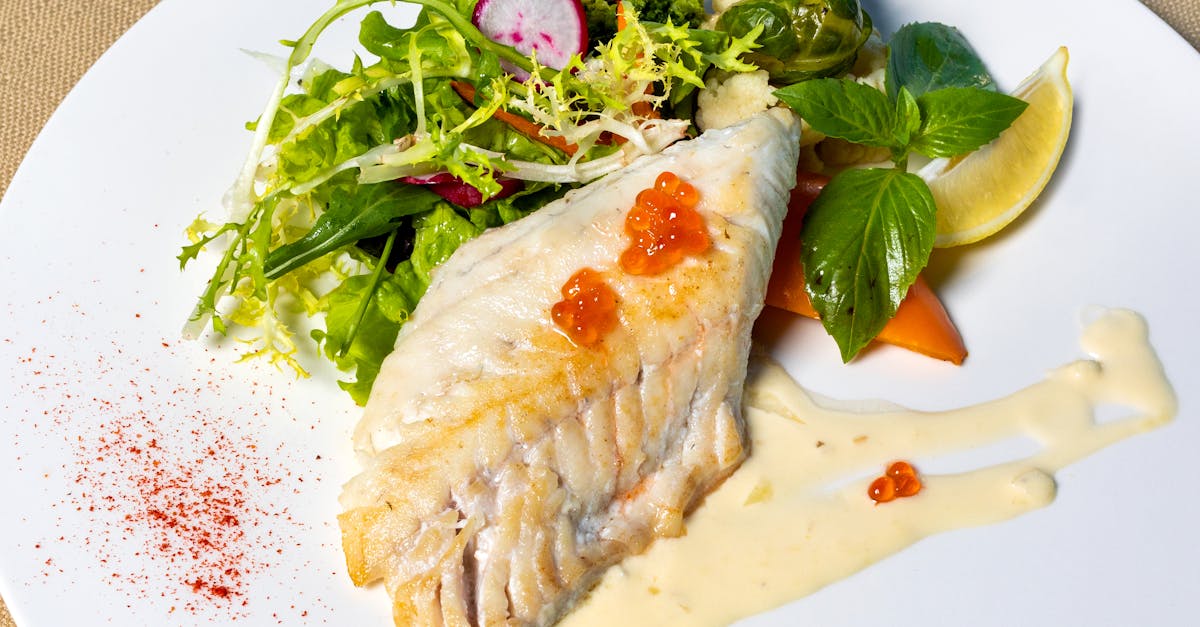
What to Look for When Buying Frozen Haddock Fillet
When it comes to preparing frozen haddock fillet, several cooking methods can enhance its delicate flavour and firm texture. Baking is a popular choice, allowing the fish to cook evenly while retaining moisture. A simple seasoning with herbs, lemon j...
Read more →
Review of the Best Brands of Frozen Haddock Fillet
Young’s Seafood has earned a strong reputation for its dedication to quality and sustainability. The brand sources its haddock from well-managed fisheries, ensuring that consumers receive a product that meets high environmental standards. Their com...
Read more →
Roundup of the Best Cooking Methods for Frozen Haddock Fillet
Steaming is a gentle cooking method that retains the delicate texture and flavour of frozen haddock fillet. This technique involves cooking the fish above boiling water, allowing the steam to envelop it. The result is a moist and flaky fillet, which ...
Read more →
10 Health Benefits of Eating Frozen Haddock Fillet
Frozen haddock fillet is a great option for those leading a busy lifestyle. It can be stored in the freezer for an extended period without losing its quality. This allows for spontaneous meal planning, enabling individuals to prepare nutritious dishe...
Read more →
Historical Overview of Haddock as a Food Source
Various methods have been employed over centuries to preserve haddock, ensuring its availability throughout the year. Traditional techniques such as salting and smoking have been critical in extending the shelf life of this popular fish. Salting invo...
Read more →
Why You Should Include Frozen Haddock Fillet in Your Diet
Fresh haddock fillet is often lauded for its flavour and texture, making it a sought-after choice in many culinary applications. However, the availability of this fish can be inconsistent due to seasonal fishing and geographical factors. Fresh port d...
Read more →
Why Frozen Haddock Fillet is a Healthy Choice
Frozen haddock fillet is an excellent choice for those leading busy lives. Its convenience allows individuals to keep a nutritious option readily available in their freezers. This means there is no need for constant trips to the fish market or the wo...
Read more →
What Are the Micronutrients in Frozen Haddock Fillet
A standard serving size of frozen haddock fillet typically ranges from 85 to 170 grams, depending on dietary needs and personal preferences. This portion provides a balance of essential nutrients while allowing for versatility in meal preparation. Co...
Read more →
What to Look for When Buying Frozen Haddock Fillet
When purchasing frozen haddock fillets, it’s crucial to check for the presence of bones. Some brands may not remove all pin bones during processing, which can lead to a less enjoyable dining experience. Although many fillets are marketed as boneles...
Read more →
How to Identify Quality Frozen Haddock Fillet
The smell of frozen haddock fillet can provide valuable insight into its quality. Fresh fish typically has a clean, ocean-like aroma. Any off-putting odours, such as a strong, fishy scent or a sour tang, may indicate spoilage. A pungent smell often s...
Read more →
How to Cook Frozen Haddock Fillet Perfectly
Achieving the perfect texture and flavour in frozen haddock involves careful consideration of cooking temperatures. Ovens and stovetops can vary considerably in their heat settings, making it essential to use a reliable thermometer for accuracy. Gene...
Read more →
Review of the Best Frozen Haddock Fillets Available
Sustainable sourcing has gained significant attention in recent years, particularly within the fishing industry. Consumers are increasingly aware of the ecological impact of their dietary choices. Choosing haddock that is sustainably sourced helps su...
Read more →
8 Nutritional Benefits of Eating Frozen Haddock Fillet
Frozen haddock fillet is packed with essential minerals that play a vital role in overall health. Notable minerals found in this fish include selenium, phosphorus, and magnesium. Selenium acts as a powerful antioxidant, helping to protect cells from ...
Read more →
Roundup of the Top Frozen Fish Fillets
Frozen fish fillets offer a variety of versatile cooking methods that cater to different tastes and preferences. Baking is a popular choice, as it allows for even cooking while preserving the fish’s moisture and flavour. Simply preheat the oven, se...
Read more →
Historical Significance of Haddock in British Cuisine
Haddock has long been a staple in British cooking, with its roots tracing back to the early fishing communities along the coasts. Initially prepared using basic techniques such as boiling or frying, the emphasis was on preserving the fish to ensure i...
Read more →
Why You Should Include Frozen Haddock in Your Diet
Regular consumption of fish is linked to a multitude of health benefits. Fish is a major source of essential nutrients, including omega-3 fatty acids, which are pivotal for heart health. Studies demonstrate that these fatty acids can lower blood pres...
Read more →
Why Frozen Haddock Fillet is a Healthy Choice
Choosing frozen haddock fillet supports environmentally sustainable fishing practices. Many fisheries adhere to strict regulations that ensure the health of fish populations and the broader marine ecosystem. By opting for haddock, consumers often eng...
Read more →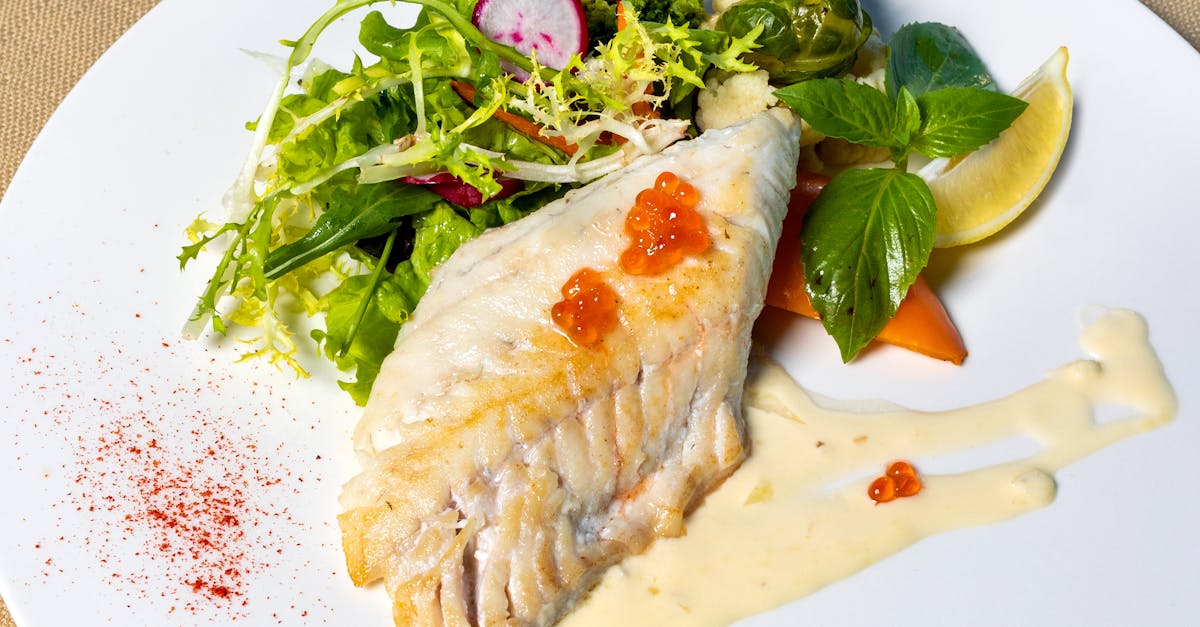
What to Know About the Health Benefits of Frozen Haddock Fillet
Fresh haddock is often celebrated for its delicate flavour and meaty texture. It is typically available in various markets, offering a sense of immediacy that frozen alternatives may lack. However, the freshness of the fish depends on factors such as...
Read more →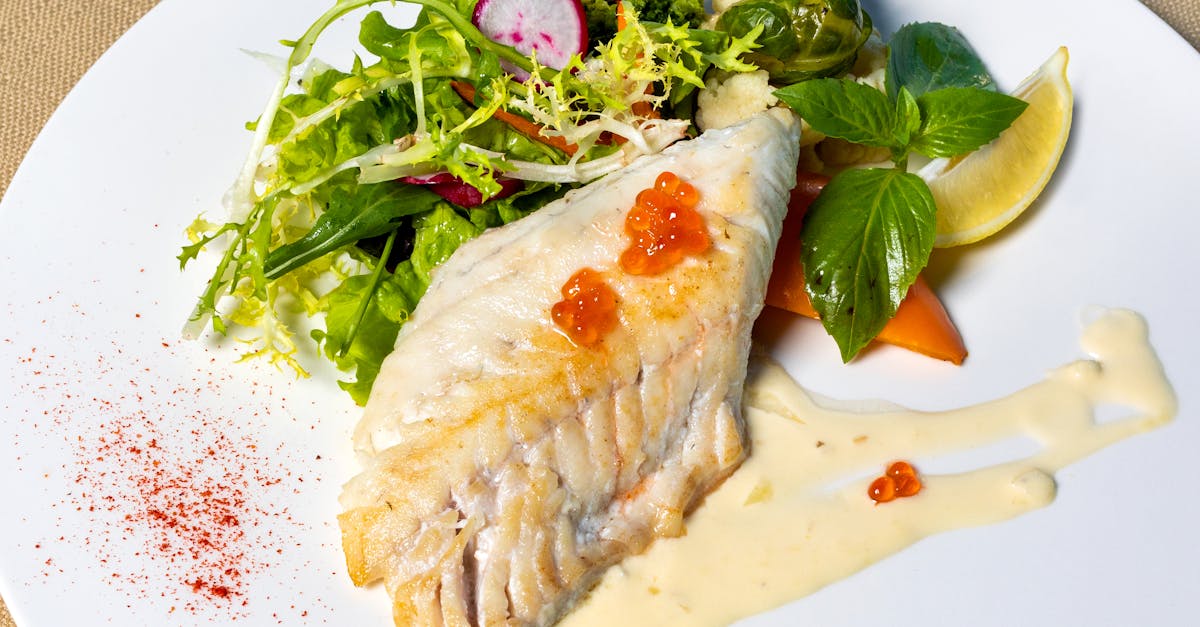
What are the Macronutrients in Frozen Haddock Fillet
Haddock is a lean source of protein that offers a range of essential nutrients. Compared to more oily fish like salmon and mackerel, haddock has a lower fat content. This makes it a popular choice for those looking to manage their lipid intake while ...
Read more →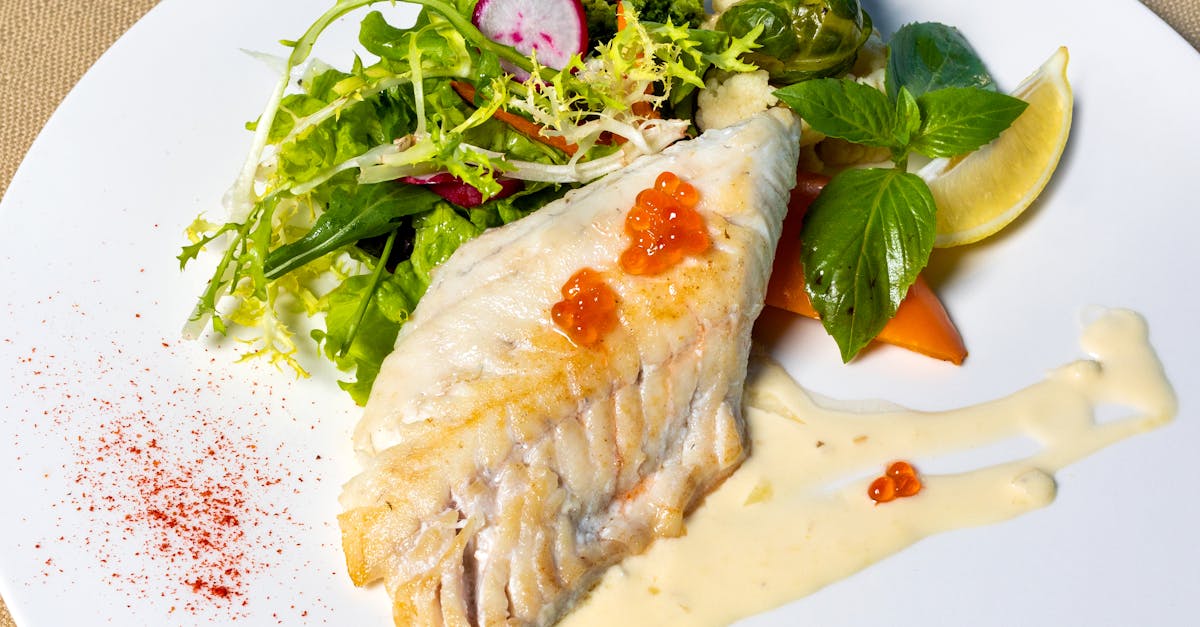
How to Select the Best Frozen Haddock Fillets
When choosing frozen haddock fillets, the variety of brands available can be overwhelming. Each brand often boasts unique selling points, whether it’s superior freshness, sustainability practices, or specific sourcing regions. Investigating these c...
Read more →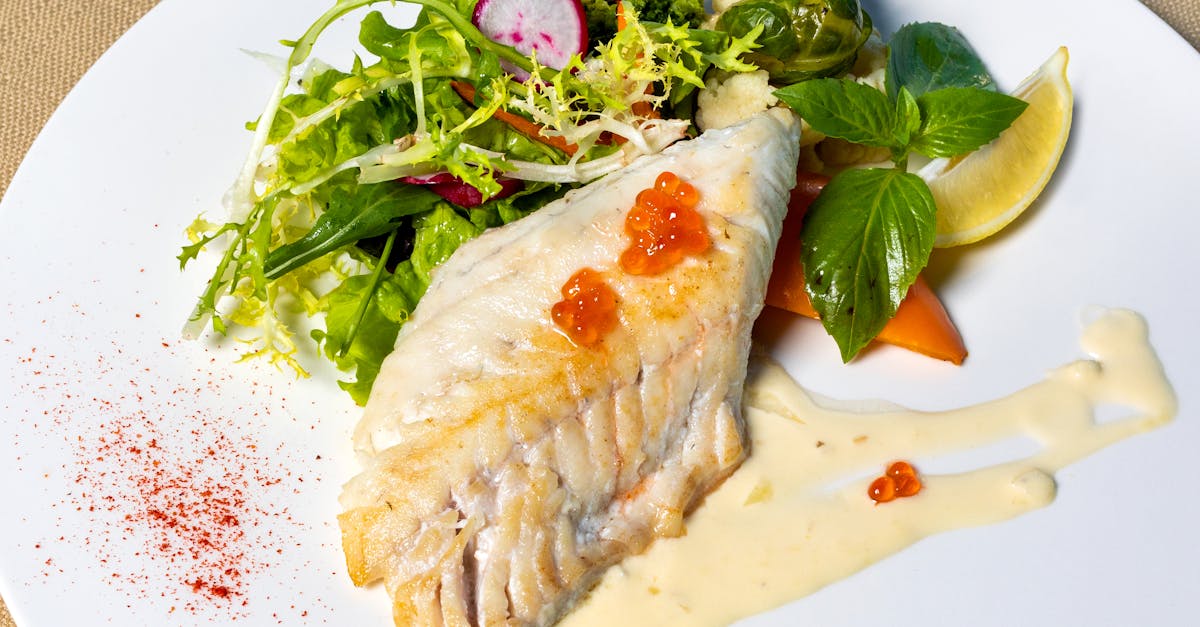
How to Cook Frozen Haddock Fillets Perfectly
Steaming is an excellent method for cooking frozen haddock, as it helps retain the fish's natural moisture. This cooking technique prevents the fillets from drying out, resulting in a tender and flaky texture. Begin by placing the frozen fillets in a...
Read more →
Roundup of the Most Popular Cooking Methods for Frozen Haddock Fillet
Cooking frozen haddock fillet in an air fryer is an efficient way to achieve a crisp and delicious result. The air fryer circulates hot air, ensuring even cooking without the need for a large amount of oil. This method not only enhances the fish's na...
Read more →
Review of the Best Frozen Haddock Fillets on the Market
The pricing of frozen haddock fillets varies significantly, catering to a broad range of budgets. On the lower end, some brands offer economical options that maintain decent quality, making them ideal for families or those who want to enjoy fish with...
Read more →
10 Best Side Dishes for Frozen Haddock Fillet
This dish pairs beautifully with frozen haddock, adding a flavourful contrast to the mild taste of the fish. Its creamy texture and subtle sweetness come from the rich coconut milk and allow for endless variations. You can enhance the dish by adding ...
Read more →
The History of Frozen Haddock Fillet in British Cuisine
Frozen haddock fillet has emerged as a staple in many British households. Its convenience offers an easy way for families to incorporate seafood into their meals without the need for frequent trips to the market. The ability to store frozen fillets f...
Read more →
Why You Should Try Grilling Frozen Haddock Fillet
Frozen haddock fillets offer a blank canvas for various flavour profiles. A simple marinade of olive oil, lemon juice, and minced garlic can provide a refreshing taste while enhancing the natural richness of the fish. Experimenting with herbs such as...
Read more →
Why Steaming Frozen Haddock Fillet is a Healthier Option
Eating frozen haddock fillet can significantly contribute to weight management without sacrificing flavour. This fish is low in calories while being rich in protein, supporting muscle maintenance and overall satiety. With only about 90 calories per 1...
Read more →
What to Know About Frying Frozen Haddock Fillet
Achieving the right frying temperature is crucial for perfecting frozen haddock fillet. Ideally, the oil should be heated to around 180°C (350°F). This temperature allows the fillet to cook evenly without soaking up excess oil. A thermometer can be...
Read more →
What to Serve with Poached Frozen Haddock Fillet
Adding a sauce can transform poached frozen haddock fillet into a gourmet experience. A lemon dill sauce is a classic choice that brings a bright, zesty flavour to the mild fish. The freshness of the dill complements the delicate texture of haddock, ...
Read more →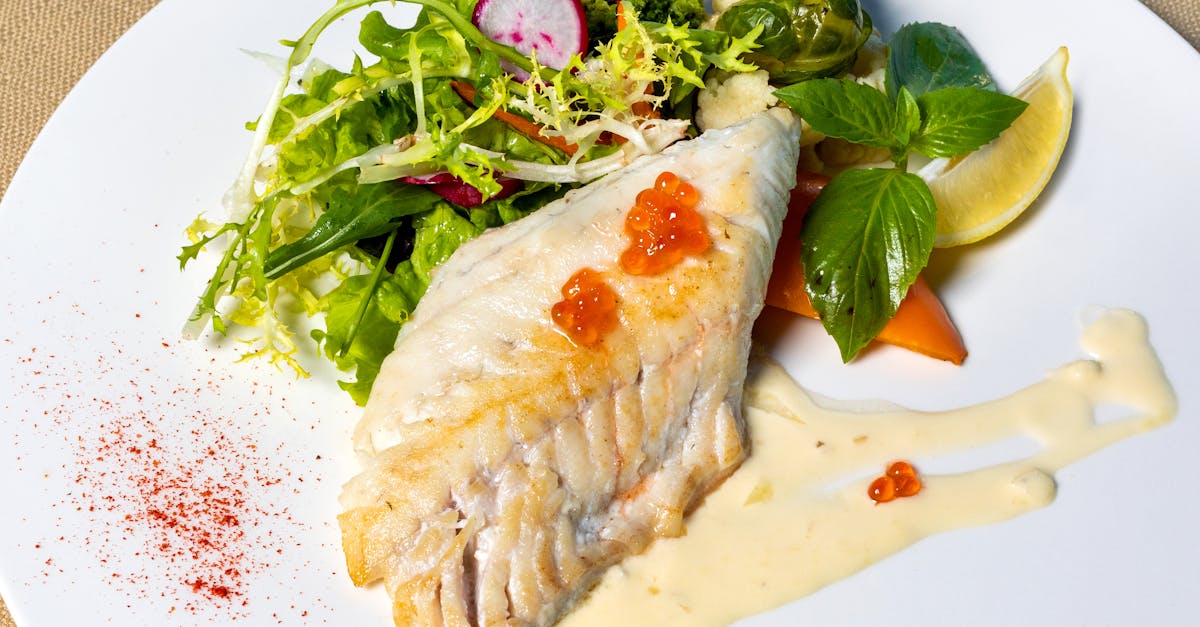
How to Grill Frozen Haddock Fillet Like a Pro
Achieving the perfect grill experience starts with proper preheating. Ensuring the grill is adequately heated not only helps avoid sticking but also allows for a more even cook. Aim for a high temperature setting before placing the frozen haddock fil...
Read more →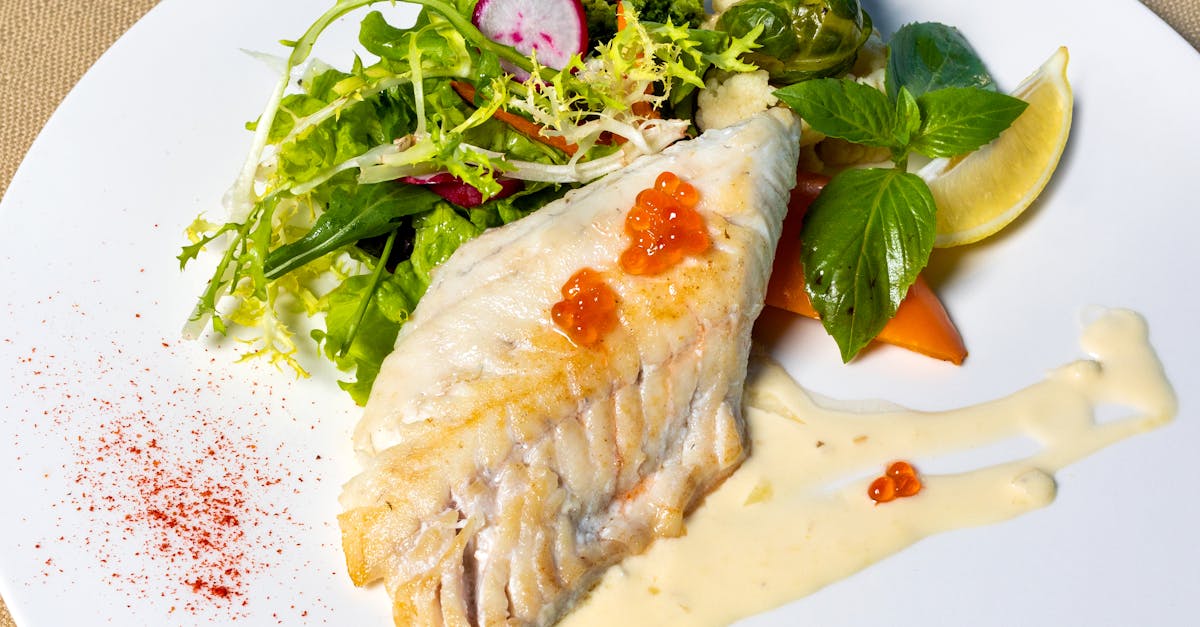
Roundup of the Best Recipes for Fried Frozen Haddock Fillet
Preparing haddock in the oven is a fantastic way to enjoy this popular fish while keeping it healthy. Coating the fillets in wholemeal breadcrumbs or a light dusting of seasoned flour can provide a satisfying crunch without excessive oil. A drizzle o...
Read more →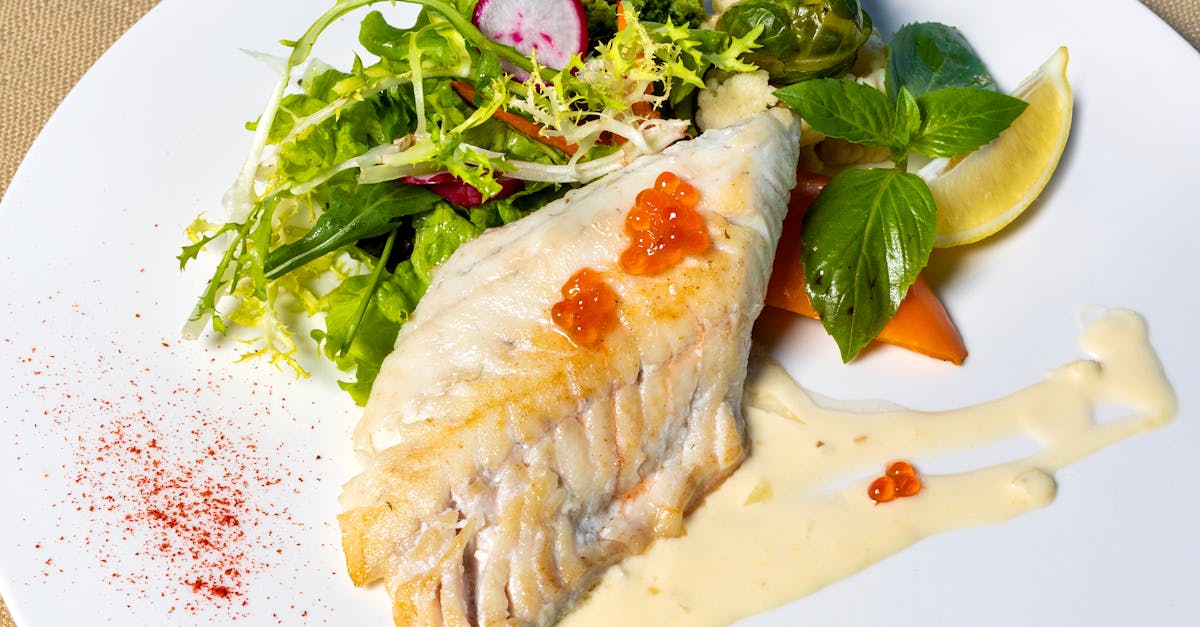
7 Best Tips for Frying Frozen Haddock Fillet
Frying frozen haddock fillets can be effectively accomplished through various methods, primarily deep frying and shallow frying. Deep frying involves submerging the fish entirely in hot oil, resulting in a consistently crispy texture and a golden-bro...
Read more →
How to Bake Frozen Haddock Fillet for Perfect Results
Monitoring the doneness of your baked frozen haddock fillet is essential for achieving a delightful texture and flavour. A general rule is to check the fish when it reaches an internal temperature of 63°C (145°F). This temperature provides assuranc...
Read more →
Review of Popular Frying Oils for Cooking Frozen Haddock Fillet
Renowned for its robust, nutty flavour, peanut oil plays a significant role in various culinary applications. It is particularly favoured for frying due to its high smoke point, which allows it to withstand the intense heat without breaking down. Thi...
Read more →
Historical Overview of Frying Fish in British Cuisine
The frying vessel has played a crucial role in the preparation of fish throughout British culinary history. Traditionally, these vessels were made from materials that could withstand high temperatures, ensuring even cooking and enhanced flavour. Cast...
Read more →
Why Frying is a Popular Method for Cooking Haddock Fillet
Frying fish like haddock requires specific equipment to achieve the best results. A sturdy frying pan or skillet is essential, ideally with a non-stick surface to prevent the fish from adhering and breaking apart. A deep frying pan or a dedicated fry...
Read more →
Why Choose Frozen Haddock Fillet for Frying
Frozen haddock fillet is known for its clean, mild flavour that appeals to a wide range of palates. When cooked, it reveals a delicate yet robust taste, making it an excellent choice for those who enjoy seafood without overwhelming fishy notes. This ...
Read more →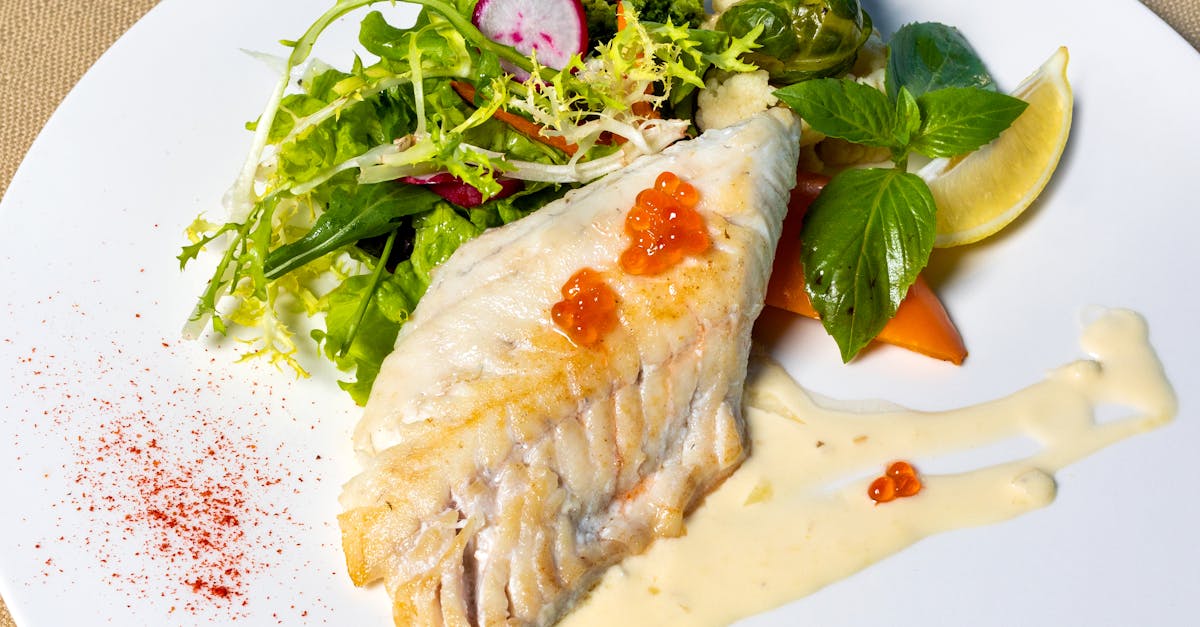
What are the Benefits of Frying Frozen Haddock Fillet
Frying frozen haddock fillet offers an economical choice for meal preparation. The convenience of having a ready supply of fish in the freezer allows for quick meals without the need for last-minute shopping trips. This time-saving aspect contributes...
Read more →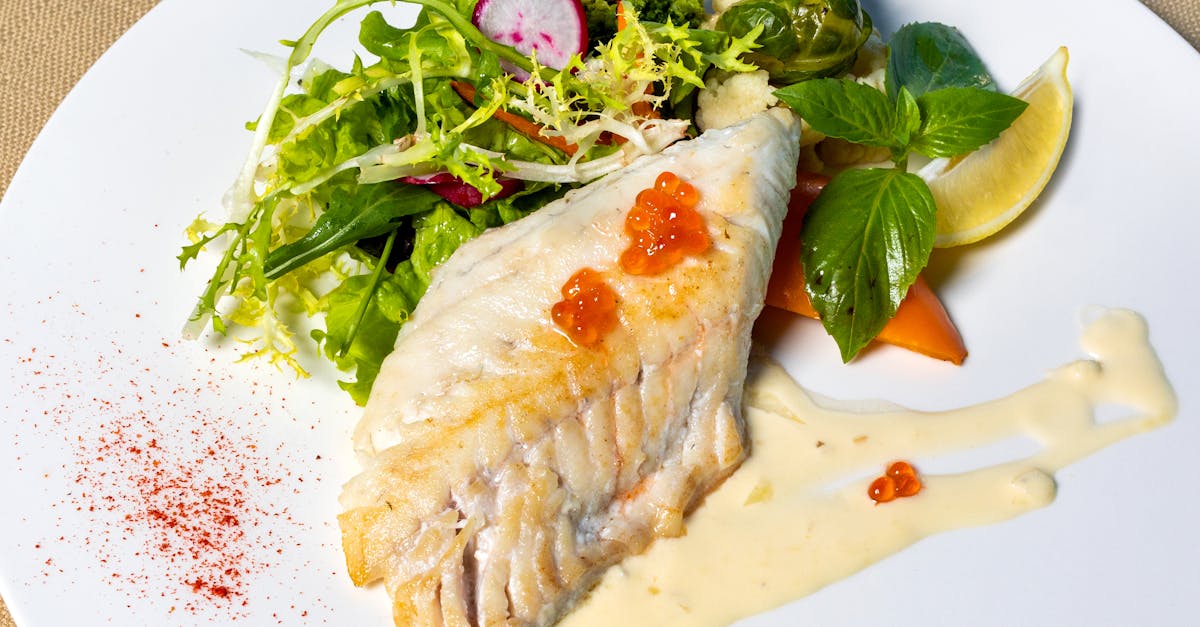
What to Serve with Fried Frozen Haddock Fillet
Potatoes provide a versatile base when pairing with fried frozen haddock fillet. Oven-roasted potato wedges, seasoned with herbs and a hint of garlic, bring a delightful crunch and complement the tender fish perfectly. Beyond traditional fries, consi...
Read more →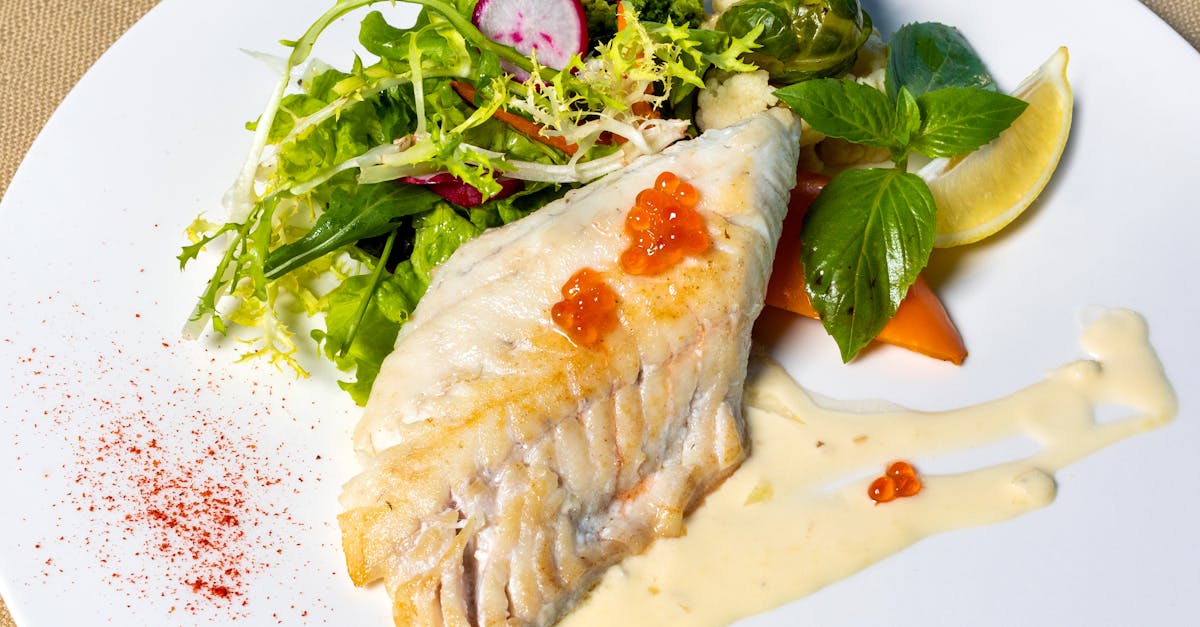
How to Prepare Frozen Haddock Fillet for Frying
Frying frozen haddock fillet can yield a delightful meal when approached correctly. The process begins with proper thawing if the fillet is frozen solid. Thawing can be done efficiently in the refrigerator overnight or by placing the fillet in a seal...
Read more →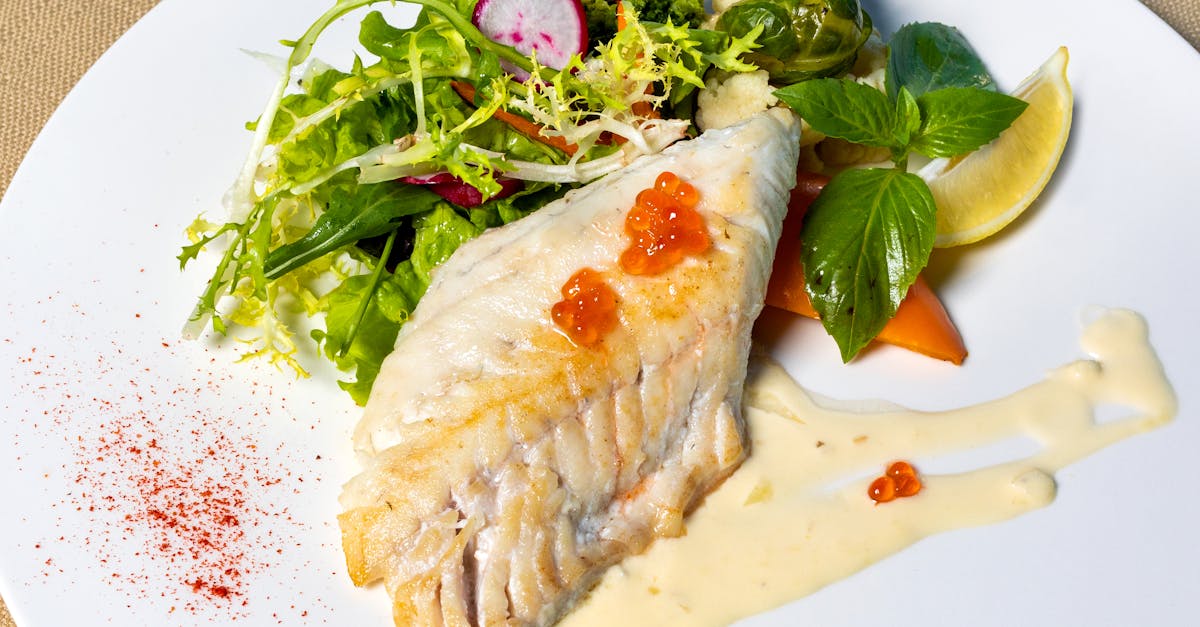
How to Fry Frozen Haddock Fillet to Perfection
Achieving the right temperature is crucial for frying frozen haddock fillets to perfection. A temperature range of 160°C to 190°C (320°F to 375°F) is ideal for ensuring that the fillets cook evenly while developing a crispy exterior. If the oil i...
Read more →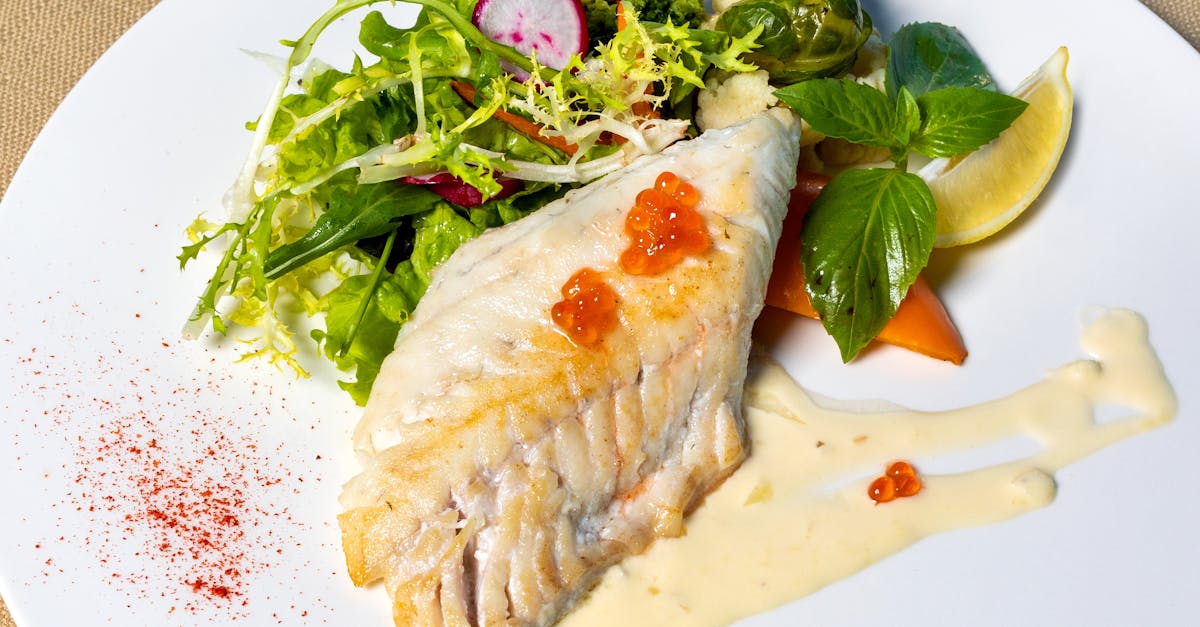
Roundup of cooking methods for frozen haddock fillet
Steaming is a gentle cooking method that helps to retain the moisture and delicate flavours of frozen haddock fillet. This technique ensures the fish cooks evenly without the risk of drying out. When steaming, it is essential to start with high-quali...
Read more →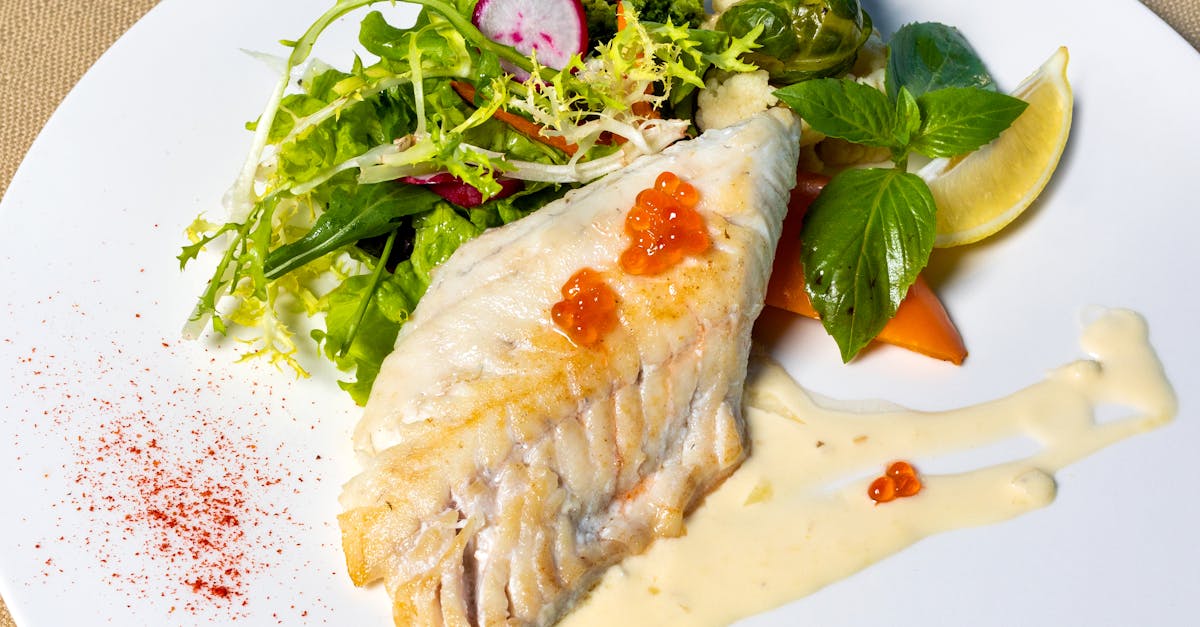
Review of the best frozen haddock fillet brands
Seaside Delights has garnered attention for its commitment to sustainable fishing practices and high-quality products. The brand sources its haddock fillets from well-managed fisheries, ensuring that each product reaches consumers with both taste and...
Read more →
10 best recipes for cooking frozen haddock fillet
A classic British dish, this recipe pairs the delicate flavour of haddock fillet with crispy chips, creating a satisfying meal that's beloved by many. To prepare, start by thawing the frozen haddock fillets. This can easily be done overnight in the f...
Read more →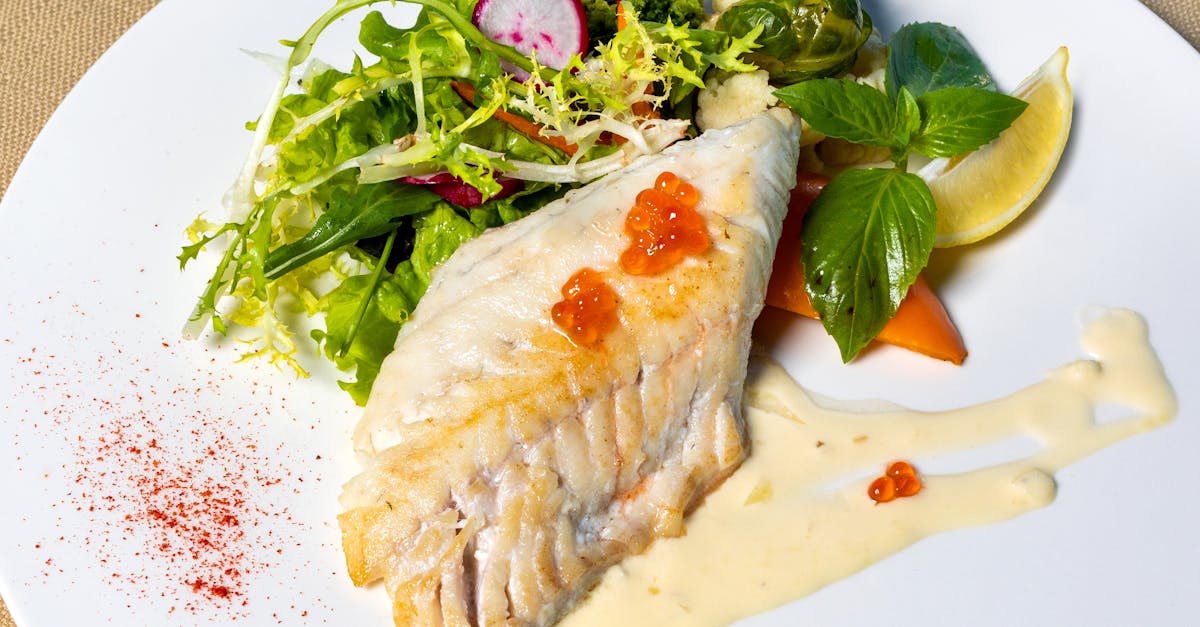
Historical significance of haddock in British cuisine
Haddock has long been a staple in the diets of coastal communities, particularly in regions like East Anglia and Scotland. The fish is not only valued for its culinary merits but also for its role in the maritime identity of Britain. Fishermen have r...
Read more →
Why you should try poaching frozen haddock fillet
Frozen haddock fillet is a fantastic ingredient that lends itself to various culinary styles. Its delicate texture and mild flavour make it an ideal choice for numerous preparations. From rich curries to light salads, the versatility of this fish all...
Read more →
What to serve with poached frozen haddock fillet
Fresh herbs elevate the delicate flavour of poached haddock, offering a burst of freshness to each bite. Dill stands out as a classic pairing, with its unique anise-like notes complementing the fish beautifully. A sprinkle of freshly chopped dill can...
Read more →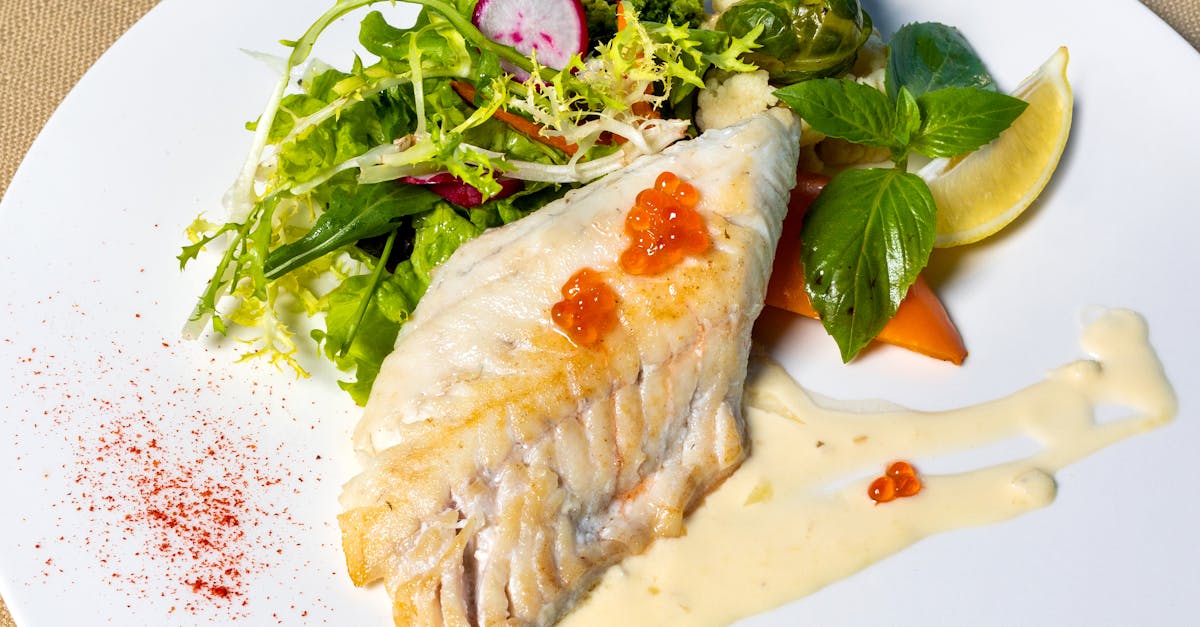
Why steaming frozen haddock fillet is beneficial
Steaming frozen haddock fillet opens up a world of possibilities for meal preparation. It can be incorporated into a variety of dishes, enhancing both traditional and contemporary recipes. The mild flavour of haddock allows it to pair well with a ran...
Read more →
What to know about frying frozen haddock fillet
When frying frozen haddock fillet, it is essential to consider the cooking time to achieve the best results. Generally, a cooking duration of approximately 8 to 10 minutes is recommended for fillets that are about 1-inch thick. The key to ensuring th...
Read more →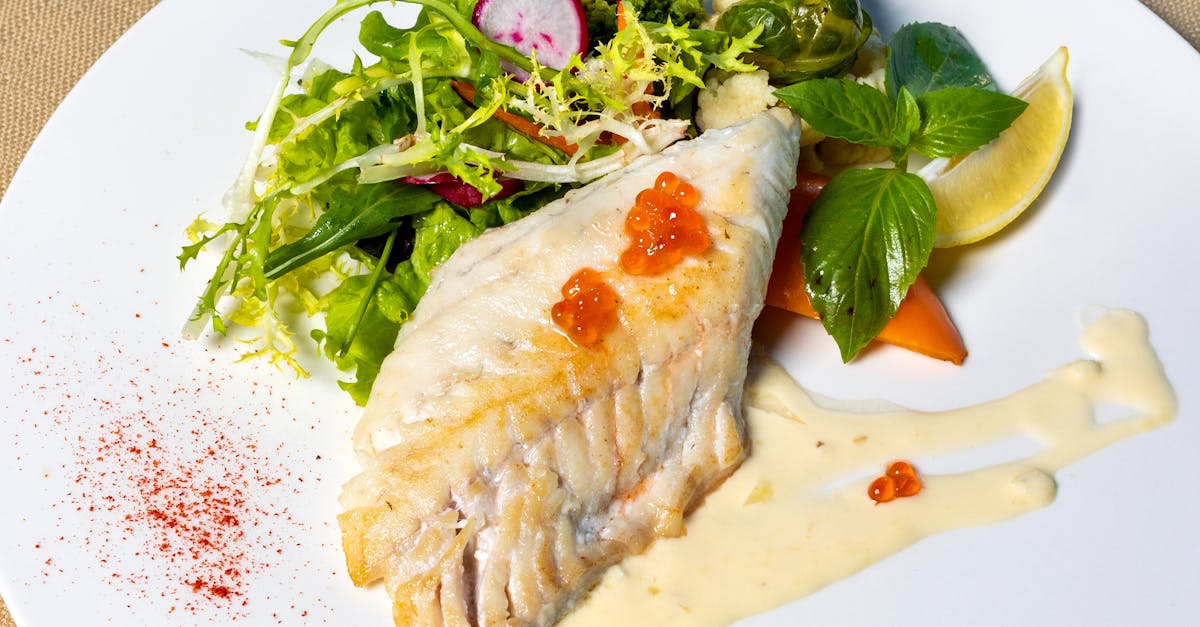
How to grill frozen haddock fillet for a smoky flavour
A well-preheated grill is essential for achieving the best results when cooking frozen haddock fillets. Start by igniting your grill and allowing it to reach a high temperature. If using a charcoal grill, let the coals burn until they are covered in ...
Read more →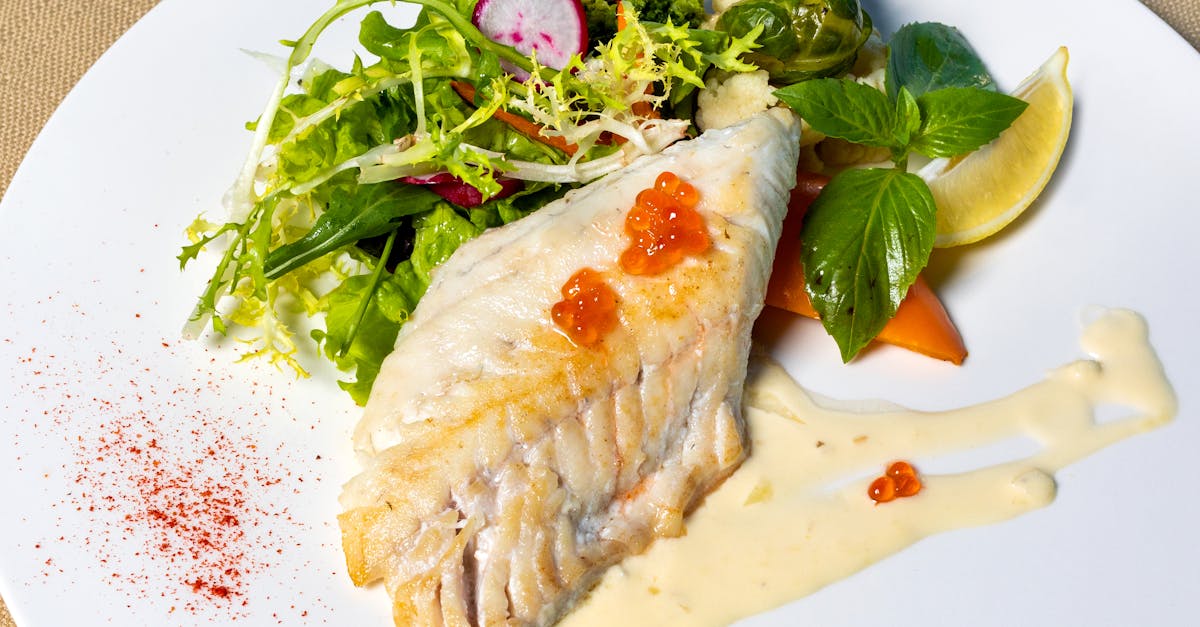
Roundup of Top Grilling Recipes for Frozen Haddock Fillet
This recipe brings a delightful twist to traditional tacos by incorporating the rich, smoky flavour of paprika into tender haddock. Begin by marinating the defrosted fillets with a blend of smoked paprika, olive oil, and a hint of lime juice for an h...
Read more →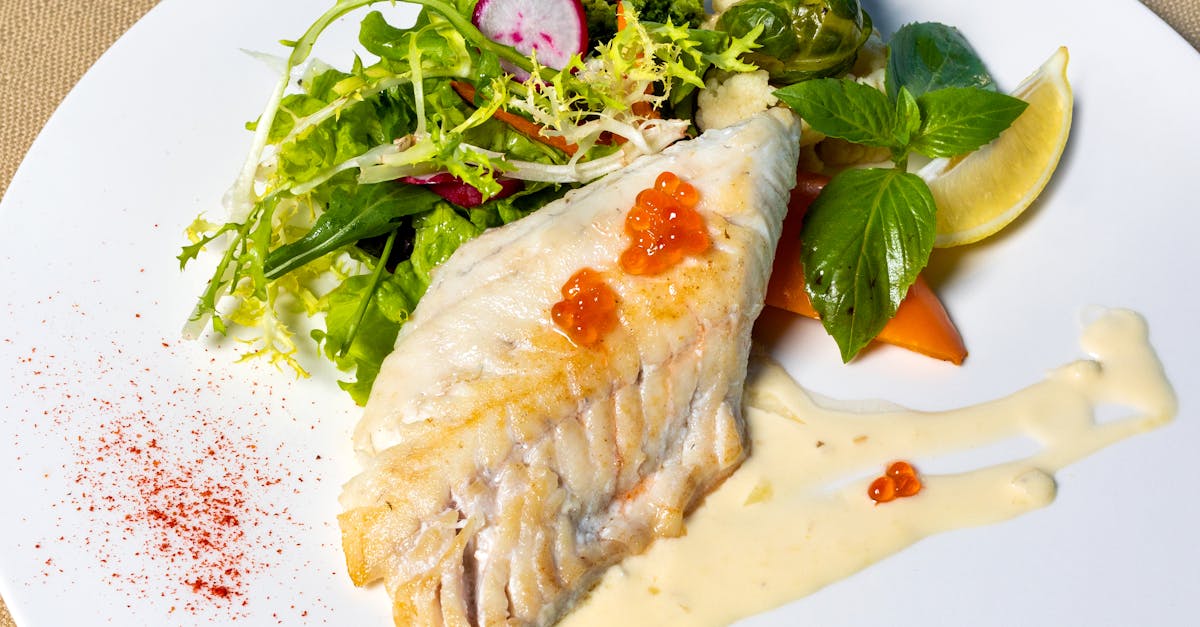
How to bake frozen haddock fillet to perfection
Setting the right temperature is key to achieving perfectly baked haddock fillet. A temperature of 200°C (400°F) is ideal for cooking frozen haddock. This heat allows the fish to cook evenly while ensuring a crispy exterior. It’s essential to pre...
Read more →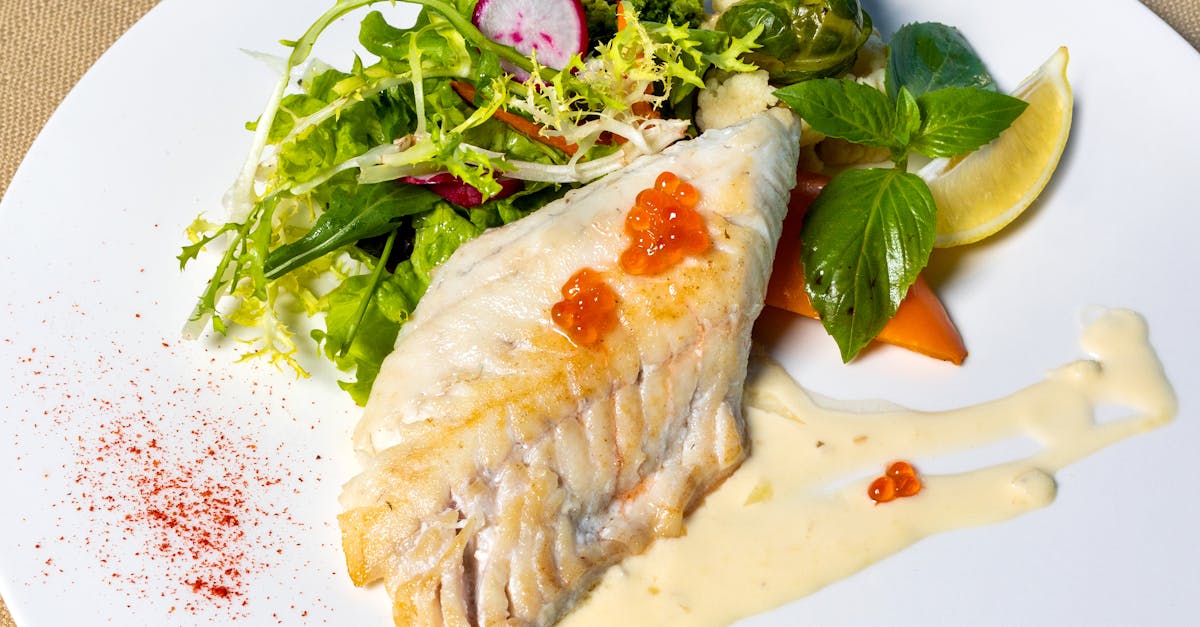
Review of the Best Marinades for Grilled Frozen Haddock Fillet
A Mediterranean-inspired marinade for grilled frozen haddock fillet brings forth a vibrant fusion of flavours that can elevate the dish significantly. Ingredients often include quality olive oil, zesty lemon juice, and a medley of fresh herbs such as...
Read more →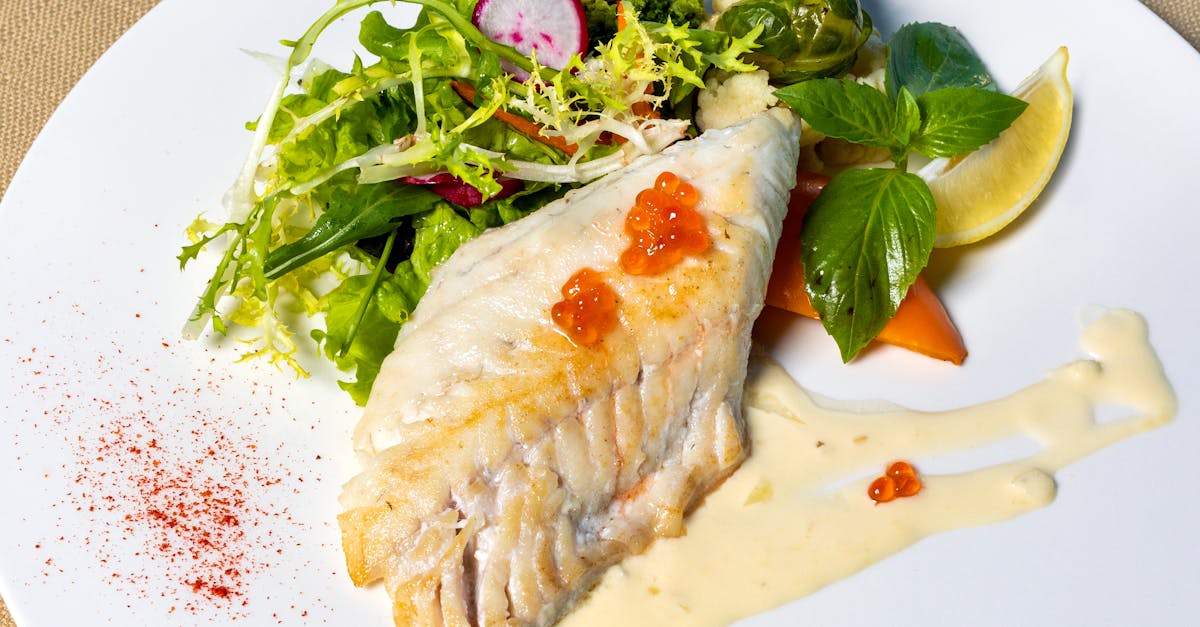
10 Tips for Grilling Frozen Haddock Fillet
When grilling frozen haddock fillets, it is crucial to adjust cooking times based on their thickness. Generally, a fillet that is about one-inch thick will require approximately 8 to 10 minutes on the grill. Thinner fillets may need closer to 6 to 8 ...
Read more →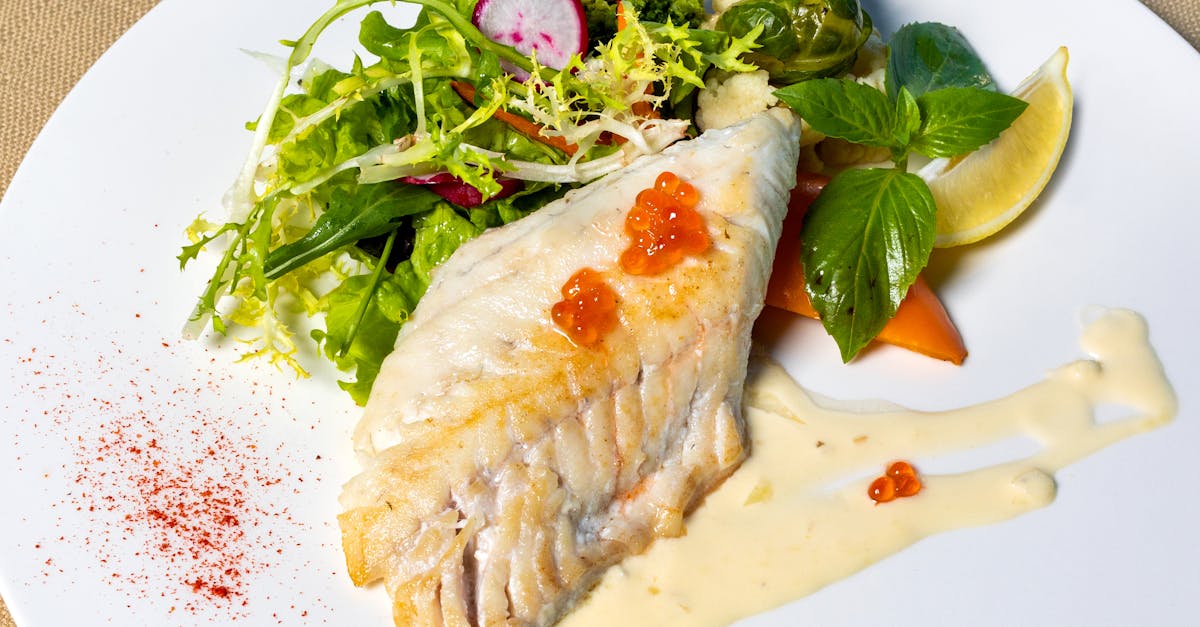
Historical Methods of Grilling Fish
Throughout history, the methods and materials used for grilling fish have undergone significant transformations. Early chefs relied on rudimentary implements such as flat stones heated by fire to create a cooking surface. As societies evolved, so did...
Read more →
Why You Should Try Grilling Frozen Haddock Fillet
A well-prepared grilled haddock fillet serves as an excellent canvas for a variety of side dishes. Its mild flavour pairs beautifully with lighter options such as a fresh garden salad or steamed seasonal vegetables. Crisp textures complement the flak...
Read more →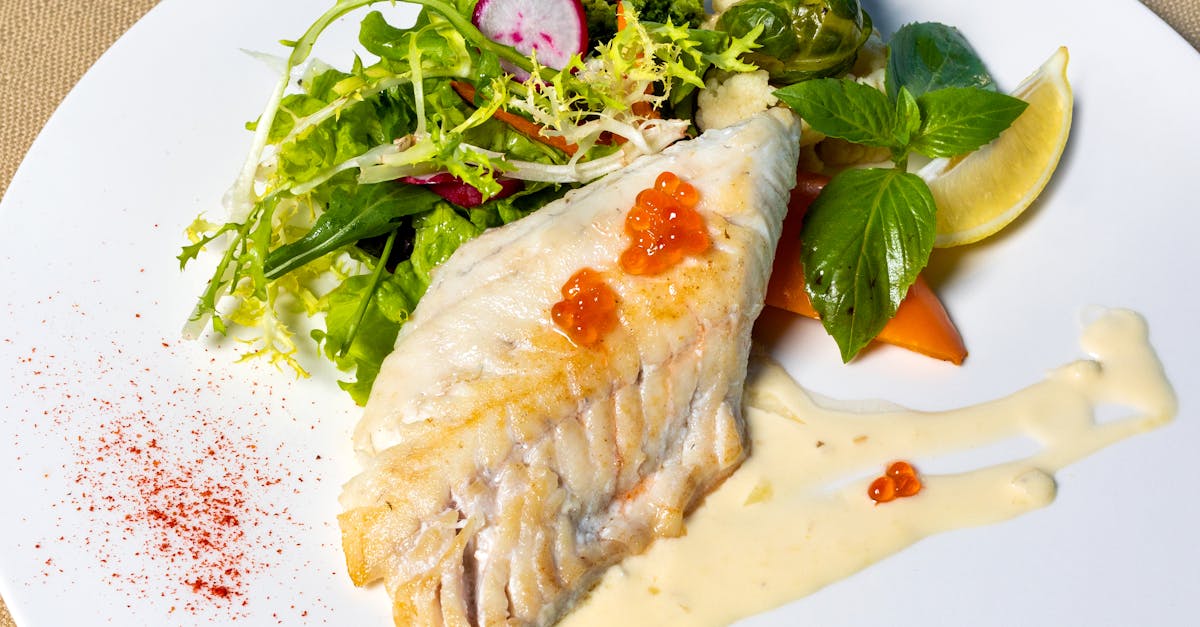
Why Grilling is the Best Method for Frozen Haddock Fillet
Grilled haddock offers a delightful canvas for a variety of recipes, catering to diverse taste preferences. Its mild flavour profile makes it an excellent match for both subtle and robust marinades. From a simple drizzle of lemon and olive oil to mor...
Read more →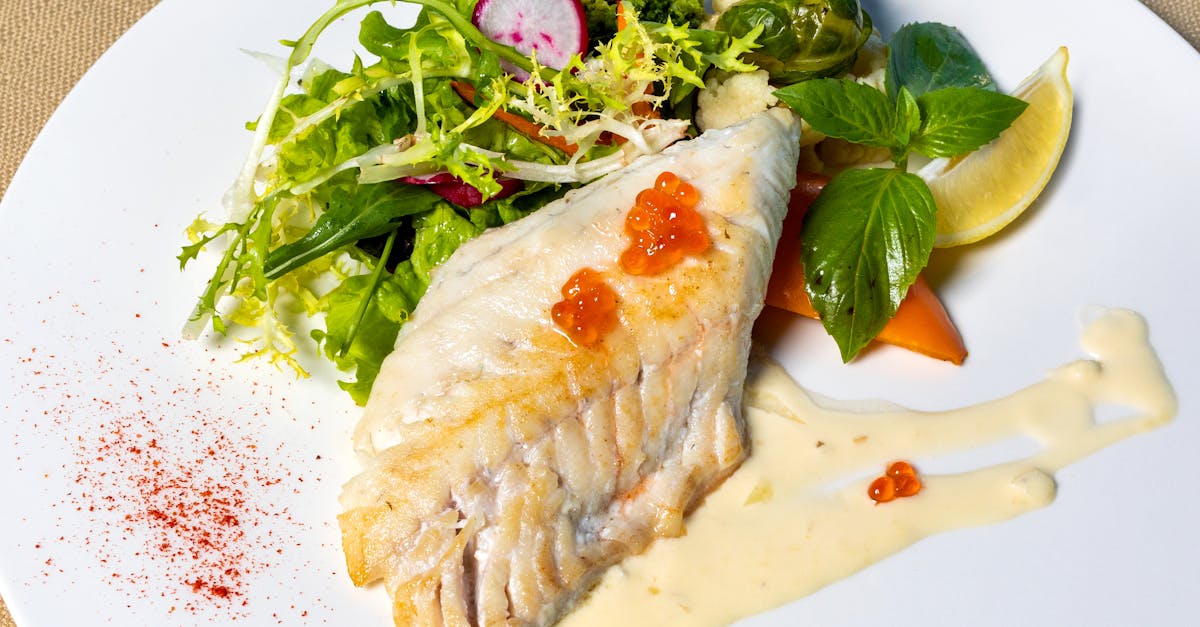
What to Consider When Grilling Frozen Haddock Fillet
Grilling frozen haddock fillet can pose several challenges if proper techniques aren't followed. One common mistake is placing the fillet directly on the grill without proper preparation. Thawing the fish beforehand allows for more even cooking and h...
Read more →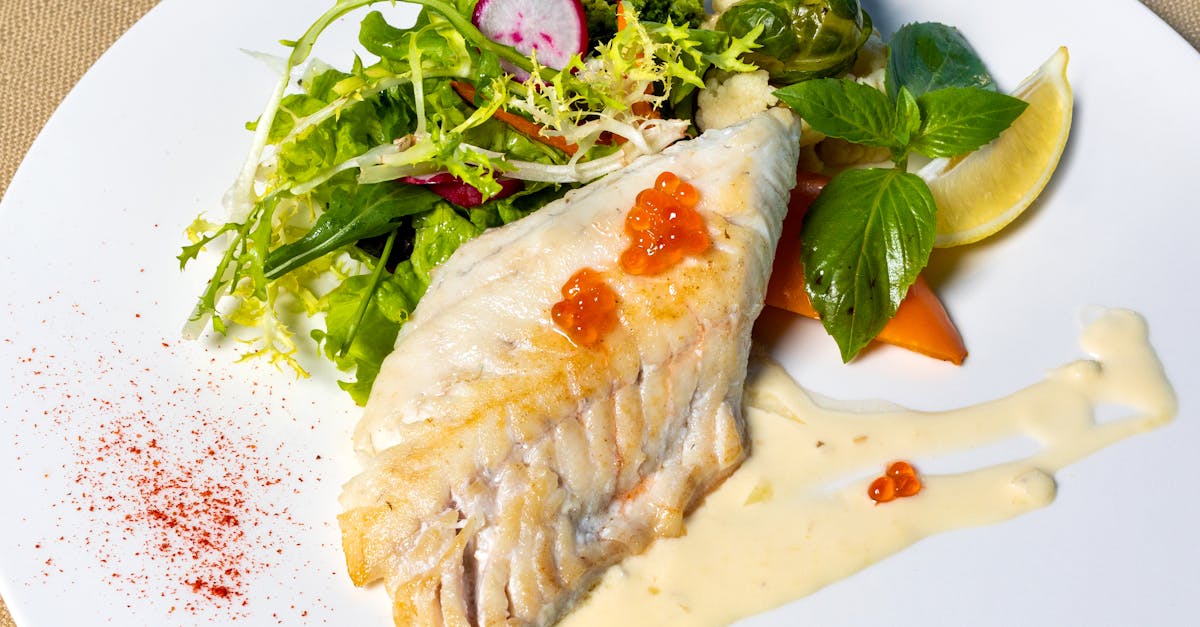
What to Serve with Grilled Frozen Haddock Fillet
Enhancing grilled frozen haddock fillet with unique garnishes can transform a simple meal into a culinary delight. Consider using a drizzle of balsamic reduction to add a touch of sweetness and acidity, beautifully complementing the fish's natural fl...
Read more →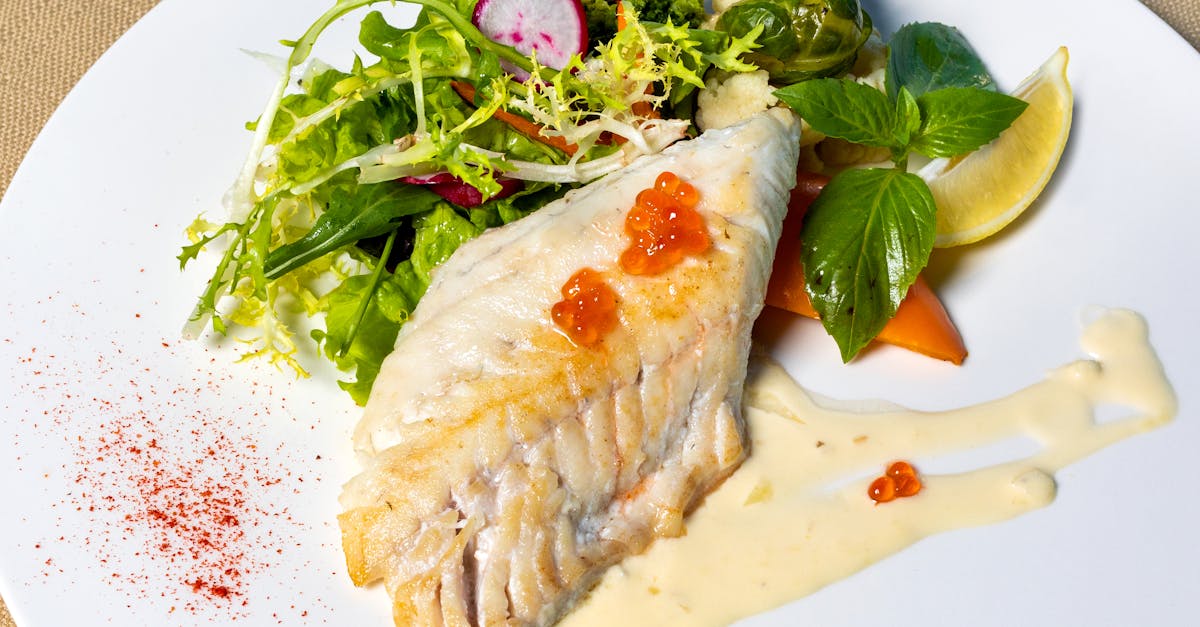
How to Season Frozen Haddock Fillet for Grilling
Using a dry rub can significantly enhance the flavour of frozen haddock fillet while keeping the process simple. Start by mixing a variety of spices to create a blend that suits your taste. Common ingredients include paprika, garlic powder, onion pow...
Read more →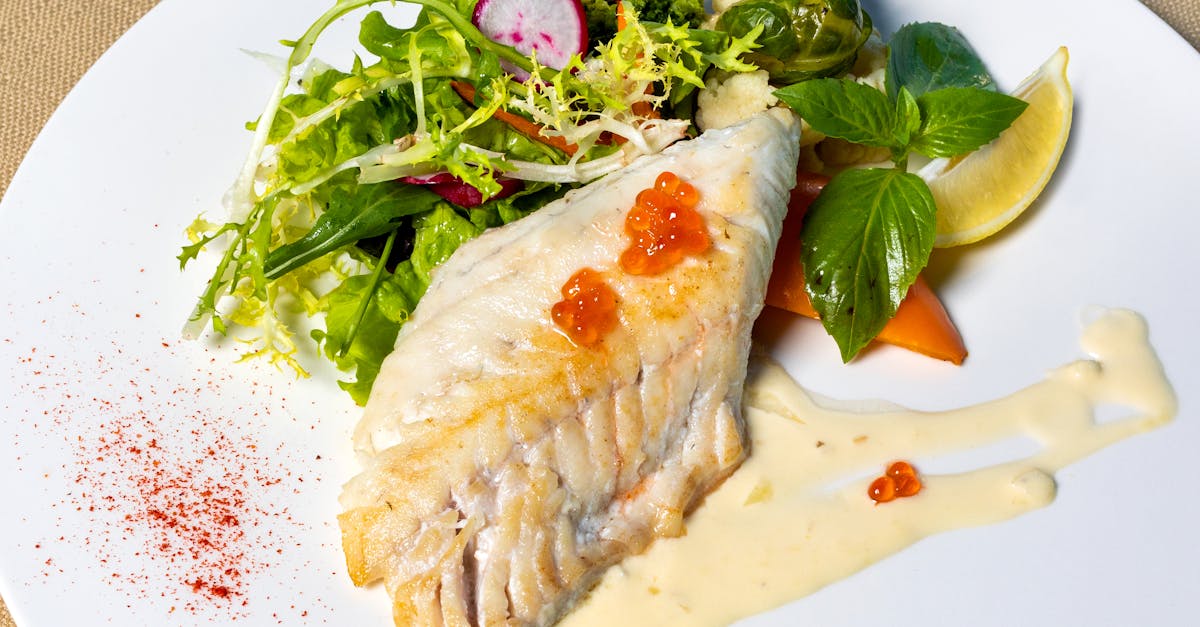
Roundup of top cooking methods for frozen haddock fillet
Using a frying method can create a deliciously crispy exterior while keeping the inside tender and moist. Start by ensuring the haddock fillets are completely frozen; this helps in achieving a satisfying crunch. Heat a generous amount of oil in a lar...
Read more →
How to Grill Frozen Haddock Fillet Perfectly
Grilling frozen haddock fillet requires careful attention to cooking time and temperature to achieve the best results. Start by preheating the grill to a medium heat, which typically ranges from 180°C to 200°C. This temperature ensures that the fis...
Read more →
Review of the best frozen haddock fillet brands
Atlantic Catch offers a selection of frozen haddock fillets that have earned praise for their quality and taste. Sourced from sustainable fisheries, these fillets are known for their flaky texture and mild flavour, making them an appealing choice for...
Read more →
Historical significance of haddock in British cuisine
Haddock has long been a staple in the culinary landscape of various British regions, particularly in coastal areas where fish forms a crucial part of the diet. In the North East, dishes like the traditional fish pie and the famous smoked haddock are ...
Read more →
7 best spices for frozen haddock fillet
Its robust flavour can elevate the subtle taste of frozen haddock fillet, making it an excellent choice for enhancing dishes. When sprinkled generously before cooking, it infuses the fish with a deliciously savory note that complements its natural sw...
Read more →
Why frying frozen haddock fillet can be a quick option
Haddock is a highly nutritious fish, packed with vitamins and minerals that contribute to overall health. It is an excellent source of high-quality protein, essential for muscle repair and growth. Additionally, this fish contains important B vitamins...
Read more →
Why poaching is a healthy method for frozen haddock fillet
Poached fish, such as haddock, offers numerous health benefits, primarily due to its cooking method that preserves essential nutrients. Unlike frying or grilling, poaching uses gentle heat and water, allowing the fish to retain its moisture and vital...
Read more →
What to know before grilling frozen haddock fillet
When grilling frozen haddock fillet, choosing the right technique is crucial to achieving a delicious and well-cooked meal. Direct heat grilling involves placing the fish directly over the flames, which can create a nice char on the outside. This met...
Read more →
How to bake frozen haddock fillet for perfect results
When baking frozen haddock fillets, preheating the oven is essential. Set the temperature to 200 degrees Celsius (or 400 degrees Fahrenheit) for optimal cooking. Place the fillets on a baking tray lined with parchment paper, ensuring they are spaced ...
Read more →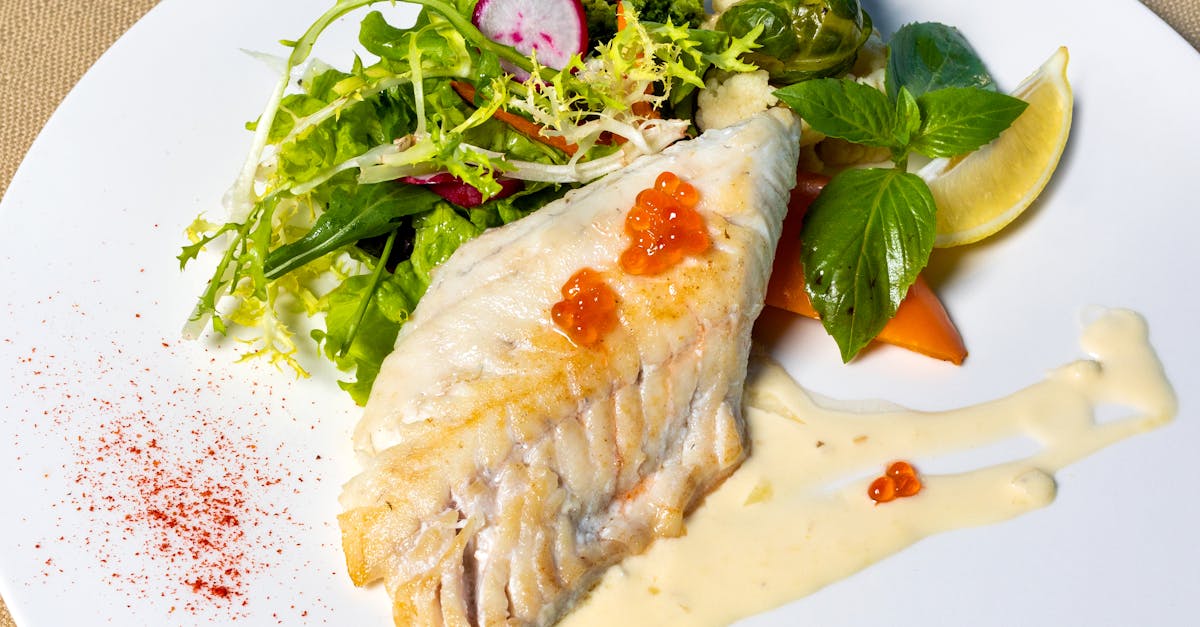
How to grill frozen haddock fillet to enhance flavour
When grilling frozen haddock fillets, cooking times play a crucial role in achieving the desired texture and flavour. Typically, fillets that are approximately 1 inch thick should be grilled for about 6 to 8 minutes per side. Thicker pieces may requi...
Read more →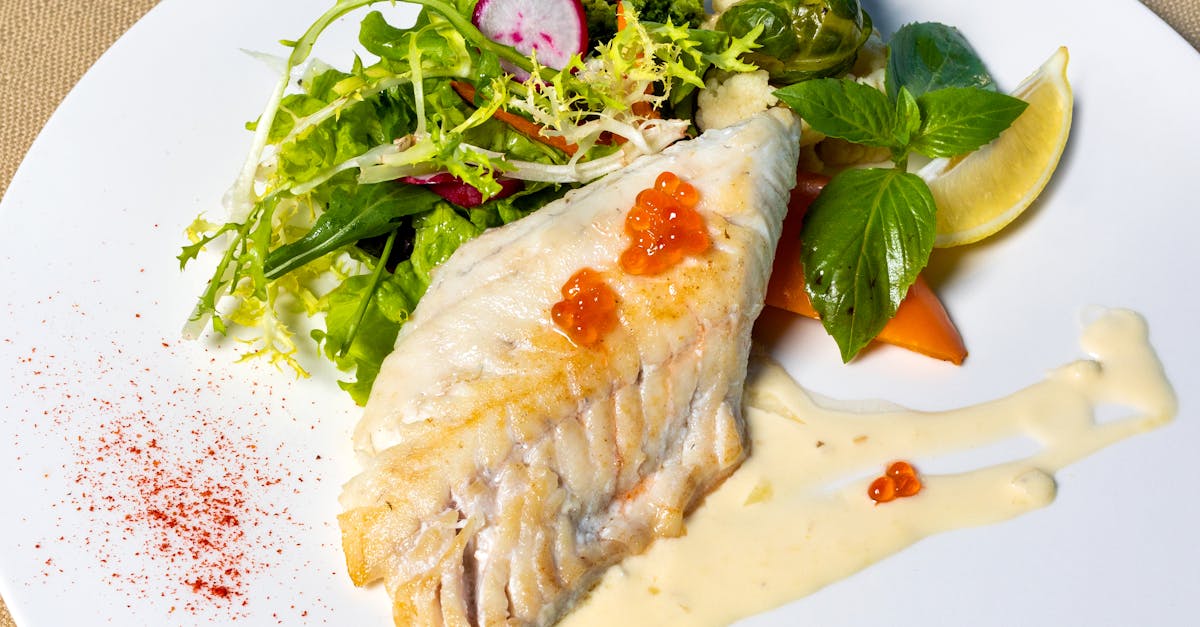
What to serve with baked frozen haddock fillet
Roasted vegetables make a delightful complement to baked frozen haddock fillet. Carrots, zucchinis, and bell peppers drizzled with olive oil and sprinkled with salt create a vibrant aesthetic on the plate. These vegetables not only enhance the meal's...
Read more →